
The Mets just agreed to give Carson Benge eight years and $130 million, and it's the smartest money anyone in baseball will spend this winter. Every other owner with a young star and no extension is choosing to lose him later, and the ones yelling loudest for a salary cap have the weakest excuse of all.
The deal is agreed to but still pending a physical, and the club hasn't formally announced it. It carries $10 million in deferred money and a $26 million club option for a ninth year. It's the largest contract the Mets have ever given a pre-arbitration player, topping the eight-year, $95 million extension they handed A.J. Ewing just days earlier.
Why it works
Benge is 23. He finished second in NL Rookie of the Year voting after hitting .282 with a .346 OBP and 4.3 bWAR, and he became the first Mets rookie to put up at least 20 homers and 20 steals in a season. He got better as the year went on, too: a .729 OPS in the first half, then a .310/.373/.471 line over 62 games from July 16 on.
The Mets already controlled him through 2031. This deal buys the years he'd have spent in free agency and locks in what he costs while his salary climbs. His competitive balance tax hit goes from the league minimum to $16.25 million. Pair him with Ewing and Juan Soto, who signed the largest contract in baseball history two years ago, and the Mets have a starting outfield under control through 2034.
That's the whole trick, and it's available to all 30 teams. Find a good young player, pay him before the arbitration raises and the open market get their hands on him, and sleep fine for a decade.
The bust worry
$130 million for one big-league season is a big bet. If Benge stalls, it gets ugly. Rookies flop all the time. But this one got better as pitchers saw more of him, and the Mets put the risk where it belongs: on an owner who can eat a bad year without blinking. That same winter, the club gave Tarik Skubal nine years and $450 million, the largest contract ever for a pitcher. Next to that, Benge's number is a rounding error with upside.
Who won't do it
Look at Washington. Through this spring and summer, the Nationals hadn't even broached an extension with Daylen Lile, whose representatives were open to that kind of deal, and James Wood had no extension in place either. Wood is the harder case: his agency, Boras Corporation, has a reputation for opposing pre-arbitration extensions. Lile carries no such excuse. If Washington still hasn't made that call, the blame sits with the people who sign the checks in D.C.
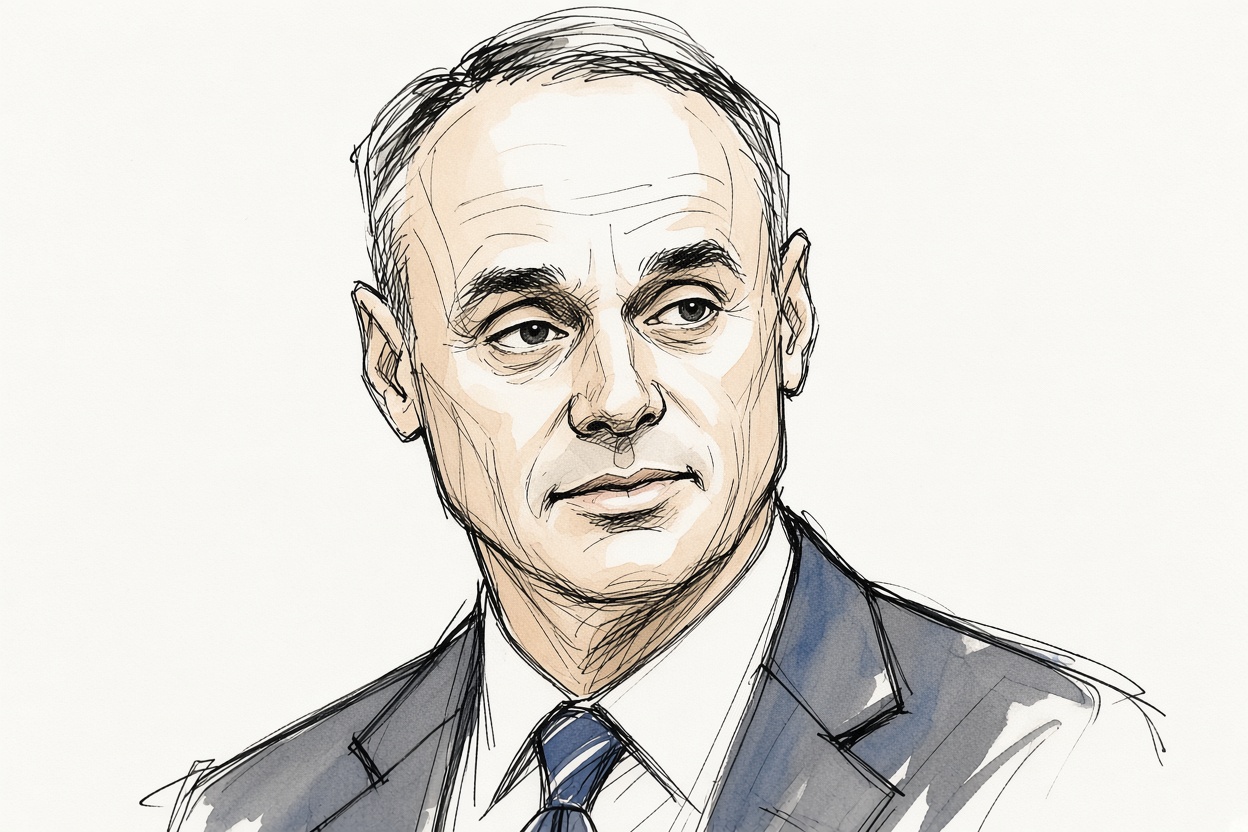
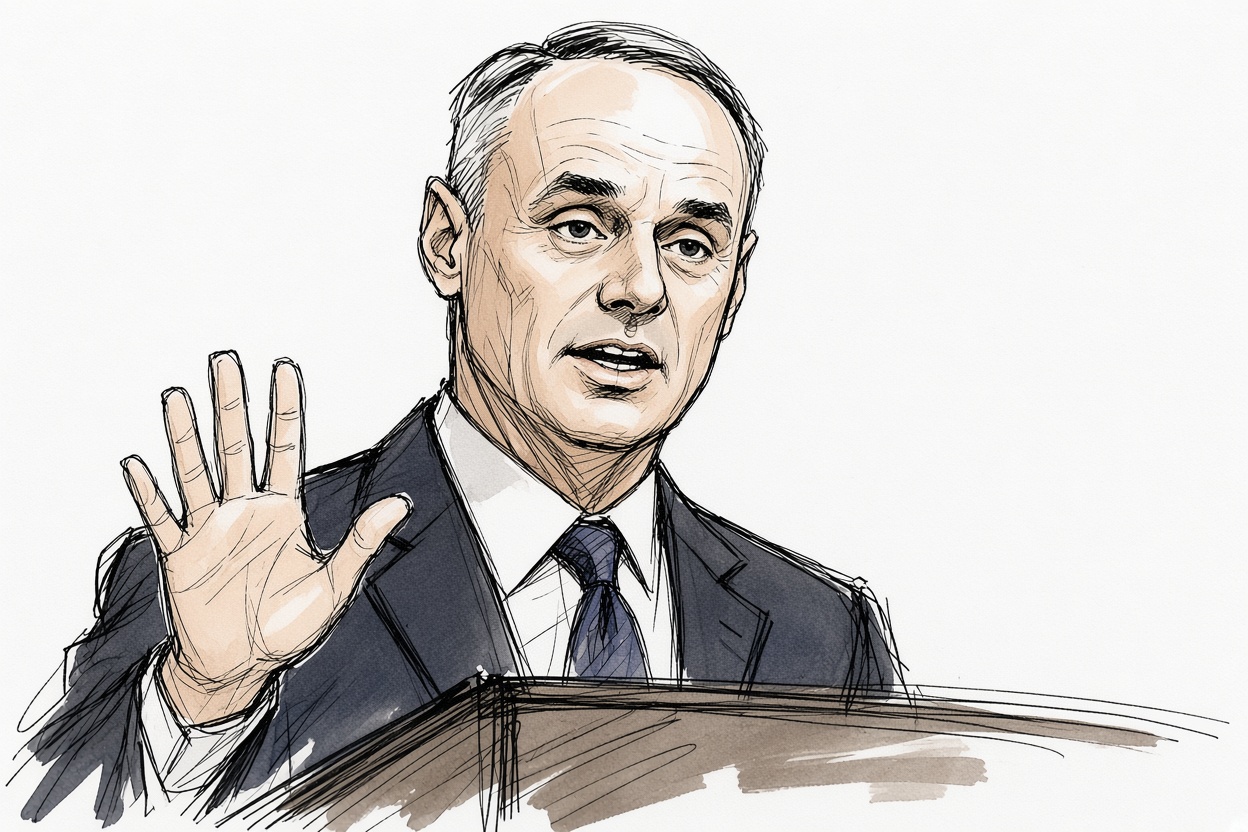
That's where the lockout comes in. Rob Manfred says the owners won't agree to a new CBA without a salary cap and a floor. The current deal expires at 11:59 p.m. ET on Dec. 1, and a lockout could start as early as Dec. 2. The owners' pitch is that the system is broken and they can't compete.
The Mets just blew that pitch apart. They finished last in the NL East at 74-88 with one of baseball's biggest payrolls, so nobody should mistake Steve Cohen for a genius team-builder. Their free-agent spending bought them a losing season. The Benge deal is different: $16.25 million a year is money any owner in this sport can carry.
Willingness is what separates the Mets from the other 29 clubs. Any owner who won't pay their own young stars early, then locks out the players to demand a cap that protects them from their own timidity, is asking the players to pay for their cowardice.