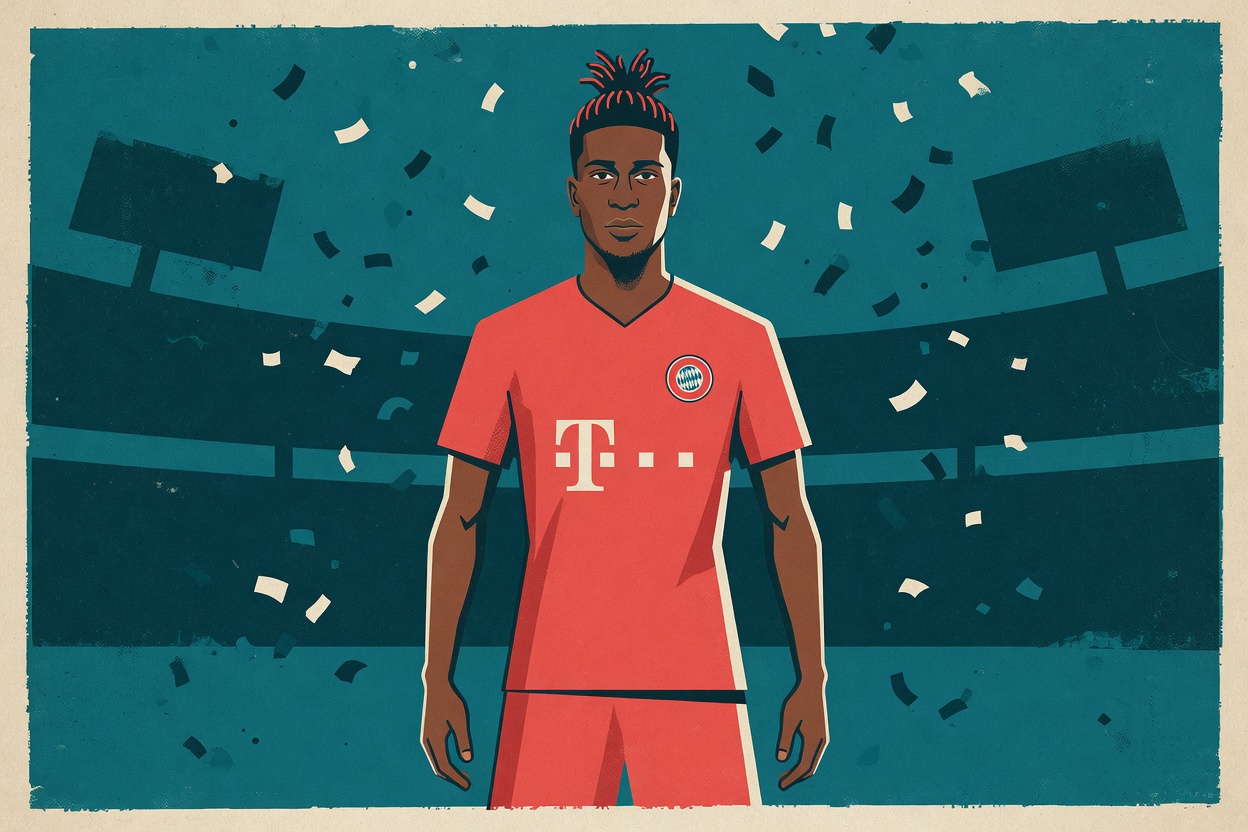
Michael Olise finished ninth in the men's Ballon d'Or, and the people who put him there know exactly what they did. What happened to him is more boring and more damning than a robbery: a voting format that rewards reputation and trophy-chasing over what a player actually produced. He walked straight into the part of it that punishes wide creators no matter how good their season was.
Start with what makes this ballot different. The 2026 award covered the season, roughly August 2025 through July 2026, only the fifth time in the award's history it's been run that way. That window swallows the 2026 World Cup whole, so when people point at Olise's summer with France, it's a fair comparison: his international form is supposed to count here, and the voters had every reason to weigh it. They weighed something else.
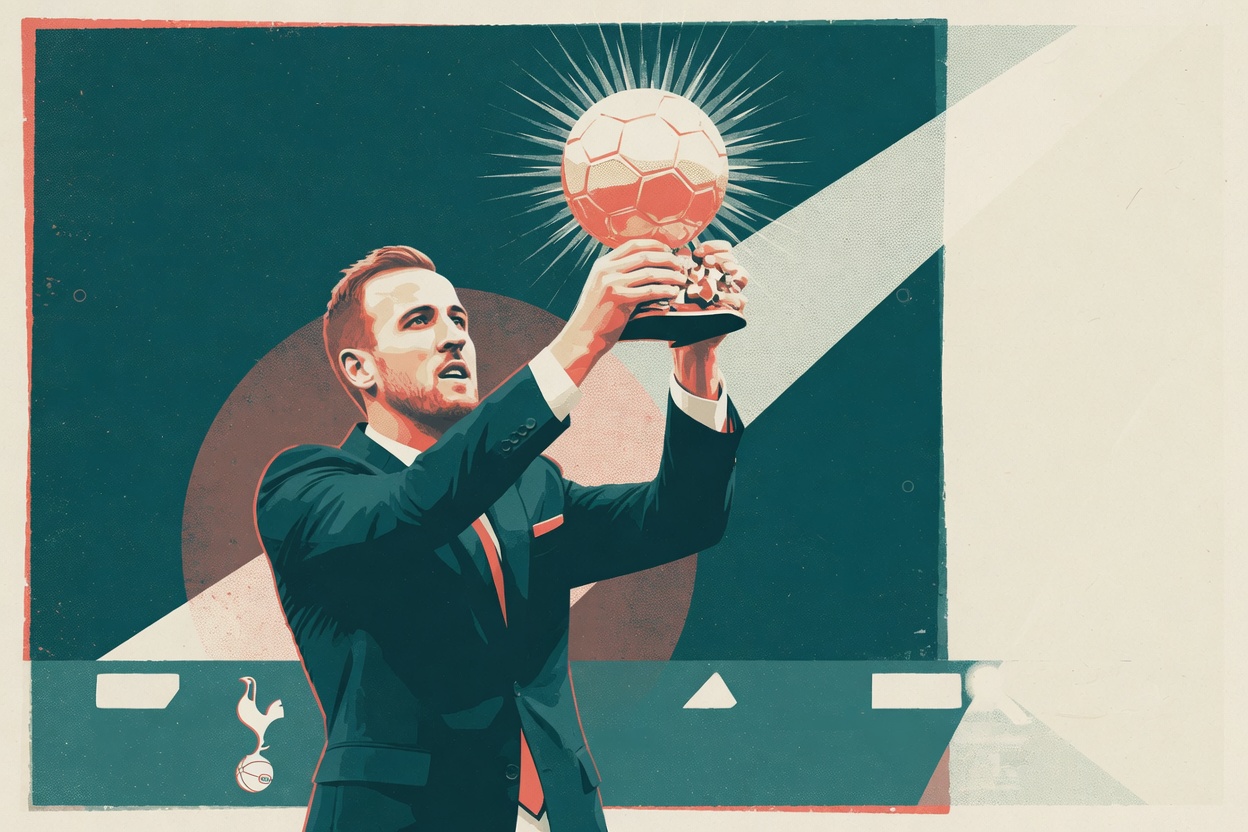
Look at the shape of the top ten, revealed at the ceremony in London on October 26: Harry Kane first, then Kylian Mbappe, Lamine Yamal, Rodri, Lionel Messi, Khvicha Kvaratskhelia, Ousmane Dembele, Erling Haaland, Olise, and Fabian Ruiz. Not a single defender. Ten slots per voter, points weighted toward the top of each ballot, and the entire panel apparently decided the best thirty footballers on earth were all attackers and midfielders. It ranks who scores and who lifts trophies, and calls that objectivity.
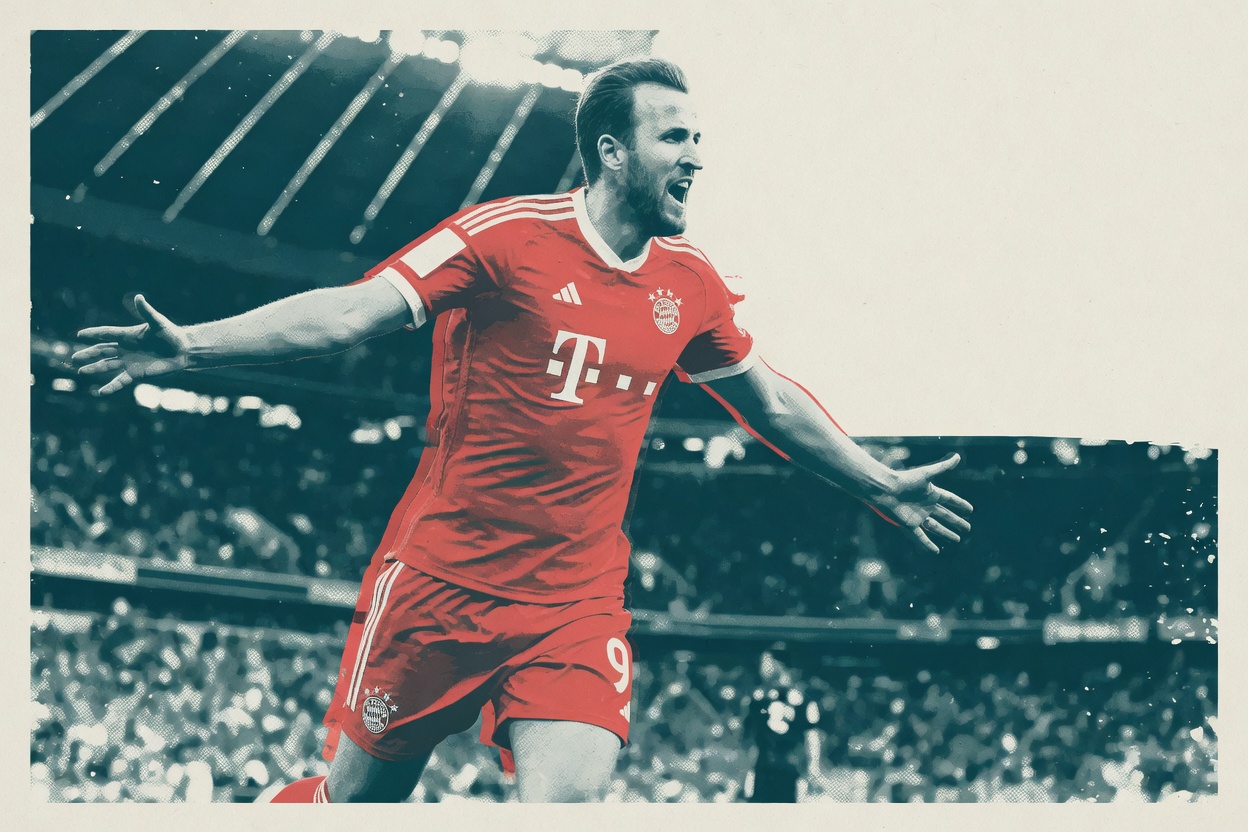
The real culprit wears a Bayern shirt. Bayern Munich walked into this ceremony with more than one genuine top-ten candidate, and analysts flagged the danger beforehand: stack that much attacking talent on one roster and the players start cannibalizing each other's votes. Kane and Olise were never going to both finish high, because voters who loved Bayern's attack had to choose where to spend their points. Kane is the decorated name, the striker who's been in the MVP conversation for years. Olise is the one who makes the goals and scores plenty himself without ever being the headline. On a ballot that rewards the obvious, that's a losing profile. The vote-splitting risk the analysts warned about happened in real time, and Olise absorbed the damage.
The panel is capable of this kind of divergence too. One tally of the voters showed Kane took half the first-place votes, but only one of the other ten put him second at all. That's a room that can't agree on anything below the top line, and in a room like that, a very good player who isn't anybody's pet pick gets scattered across the ballot and sinks into the ninth-and-tenth gravel. The arithmetic buried Olise.
Not every placement above him is unearned, though. Rodri at fourth is defensible, full stop. He was named the best player at the 2026 World Cup, beating out Messi for it, off an injury-interrupted club year of roughly twenty-one Premier League appearances. You can argue his minutes, but you cannot argue the biggest individual honor at the biggest tournament on the planet. That's a credential Olise doesn't have.
Nobody should care about ninth versus seventh, since the Ballon d'Or below the winner is just subjective noise with no consequence. Fine, except the award sells itself as the definitive hierarchy of the sport, prints thirty names in order, and invites exactly this argument every year. You don't get to publish a numbered list and then tell people the numbers don't mean anything. If the order is meaningless, stop ordering it. If it means something, then burying one of the most complete attackers in Europe at ninth while the format shrugs is a choice somebody made.
The real snub is the machine that guaranteed a player this good would finish in the pack no matter what he did on the grass. France Football built a ballot that rewards narrative and trophies over end product. Bayern stacked an attack that split its own vote. Between them, the ninth-best footballer in the world put together a season better than that number will ever admit.