Letting a No. 1 seed shop for its own playoff opponent is the worst idea in MLB's new bargaining proposal, and it isn't close. On Thursday, during talks ahead of the CBA's expiration, the league floated a package that would cut the regular season from 162 games to 154, stretch the Division Series from best-of-five to best-of-seven, and hand the higher seeds the power to pick who they face in the first two rounds. One of those ideas is fine, one is defensible, and the third is an embarrassment. MLB said the quiet part in its own materials: the selection would "increase the importance of regular season records and generate significant fan engagement while stoking rivalries."
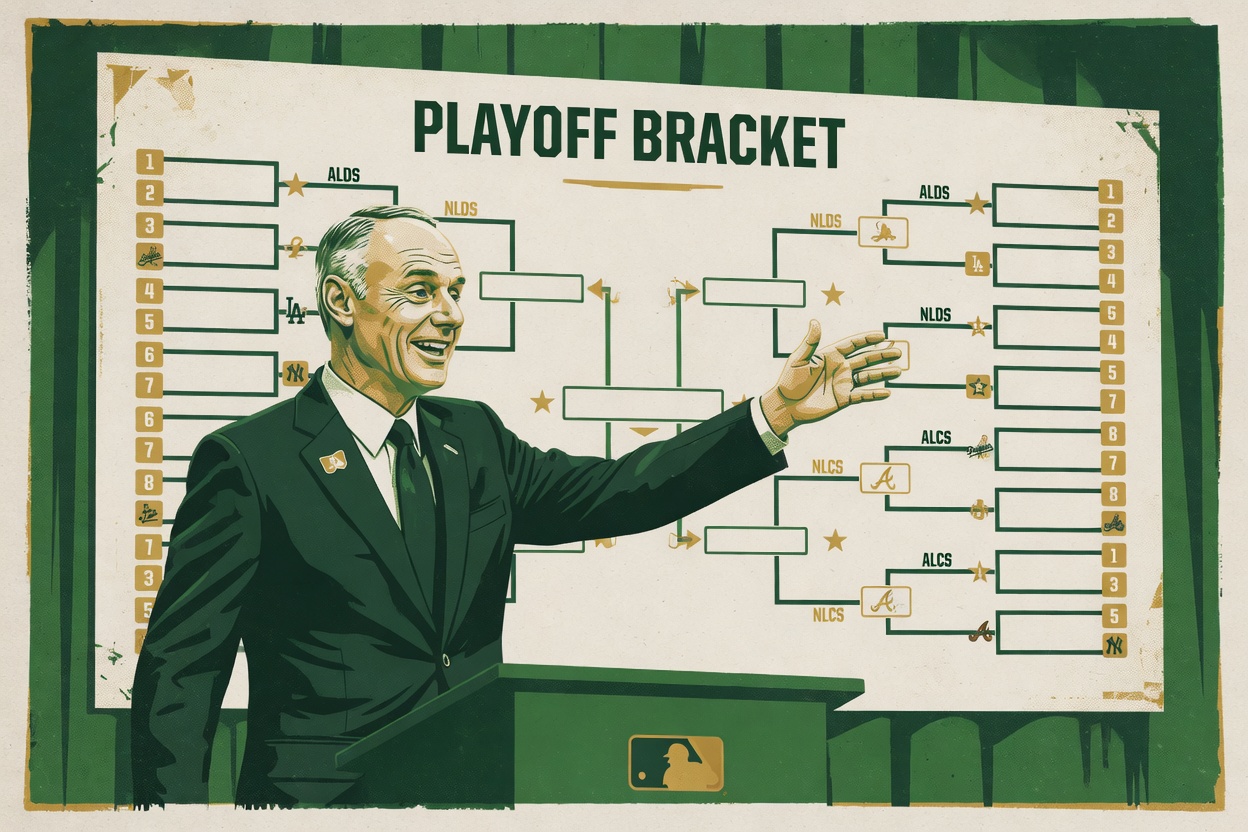
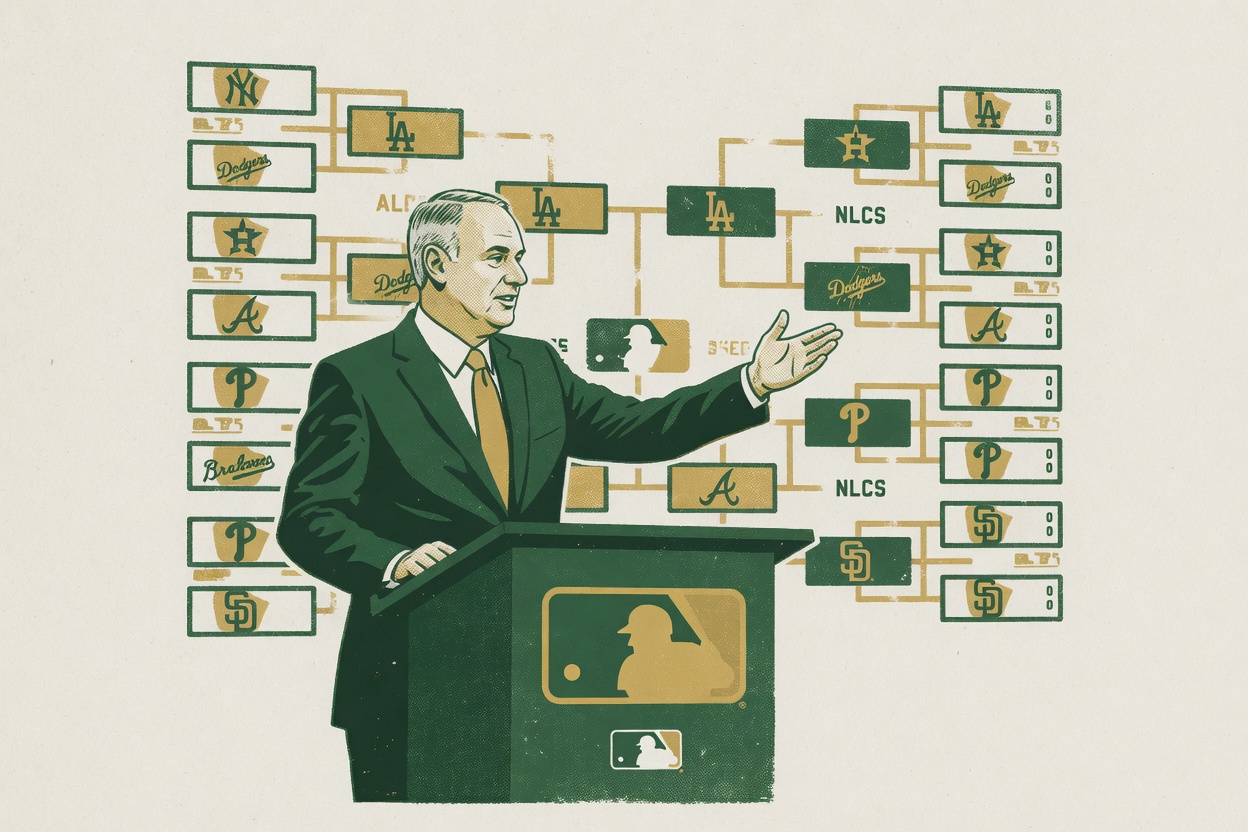
Here's what that actually describes. Under the plan, the No. 3 seed in each league gets to choose whether to play the No. 5 or No. 6 seed in the Wild Card round, with the pick made right after the regular season ends. Then the No. 1 seed gets to choose which Wild Card winner it wants in the Division Series. The league sells this as a reward for a great regular season, but it's really a televised chance for a front office to look across the bracket and decide which team it would rather punch. It would be a first in professional sports. It should stay that way.
Think about who's standing just off camera when a team announces, on live TV, which opponent it has decided to avoid. Networks that have paid for the drama. Sportsbooks that now have days to move lines on a matchup a human being got to hand-pick. You don't need a conspiracy to see the problem. You just need to imagine the first time a team's selection looks a little too convenient, and ask who benefits from the questions that follow. Baseball already decides its playoff seeding over six months. It doesn't need a casting call bolted on top.
Trading a handful of regular-season games for a longer Division Series is the one piece here worth taking seriously. A best-of-seven in that round means fewer flukes and more starting pitching. If the league wanted to stop there, I'd shake on it. Shaving 162 games to 154 to create a standard weekly off day, a Monday national broadcast, and a Thursday off for the teams who play it: that's a reasonable trade for players' bodies, at least on its face.
Except the league scheduled the giveaway for 2029. That timing lines up exactly with when new media rights contracts begin. MLB is proposing to start the shorter season precisely when it can repackage the whole product for the people writing the next broadcast checks. The off day is really there to create a slot for a Monday national broadcast. The Monday game is inventory. None of this helps the fan who already learned that an MLB.TV subscription, the thing you pay for all summer, goes dark the moment the postseason starts and the games get valuable. They'll sell you 162 games and then wall off the postseason that actually decides anything.
The owners wrote this proposal. It's a revenue play sold with the language of competition and health, because "stoking rivalries" tests better than "new streaming windows." Take the best-of-seven. Leave the shorter schedule on the table and look hard at the 2029 timing. But the pick-your-opponent circus should die in the room it was born in. A playoff spot is something you earn over a whole season. It shouldn't come with a menu.