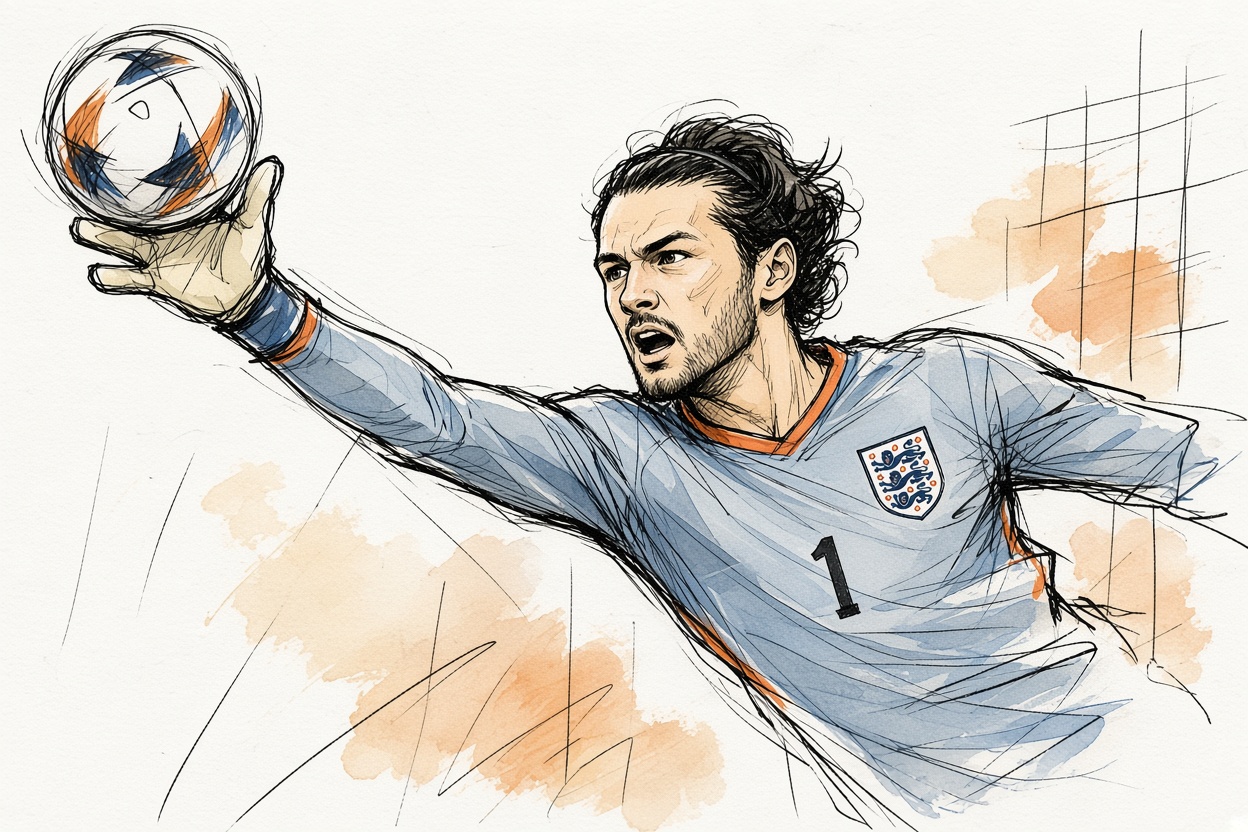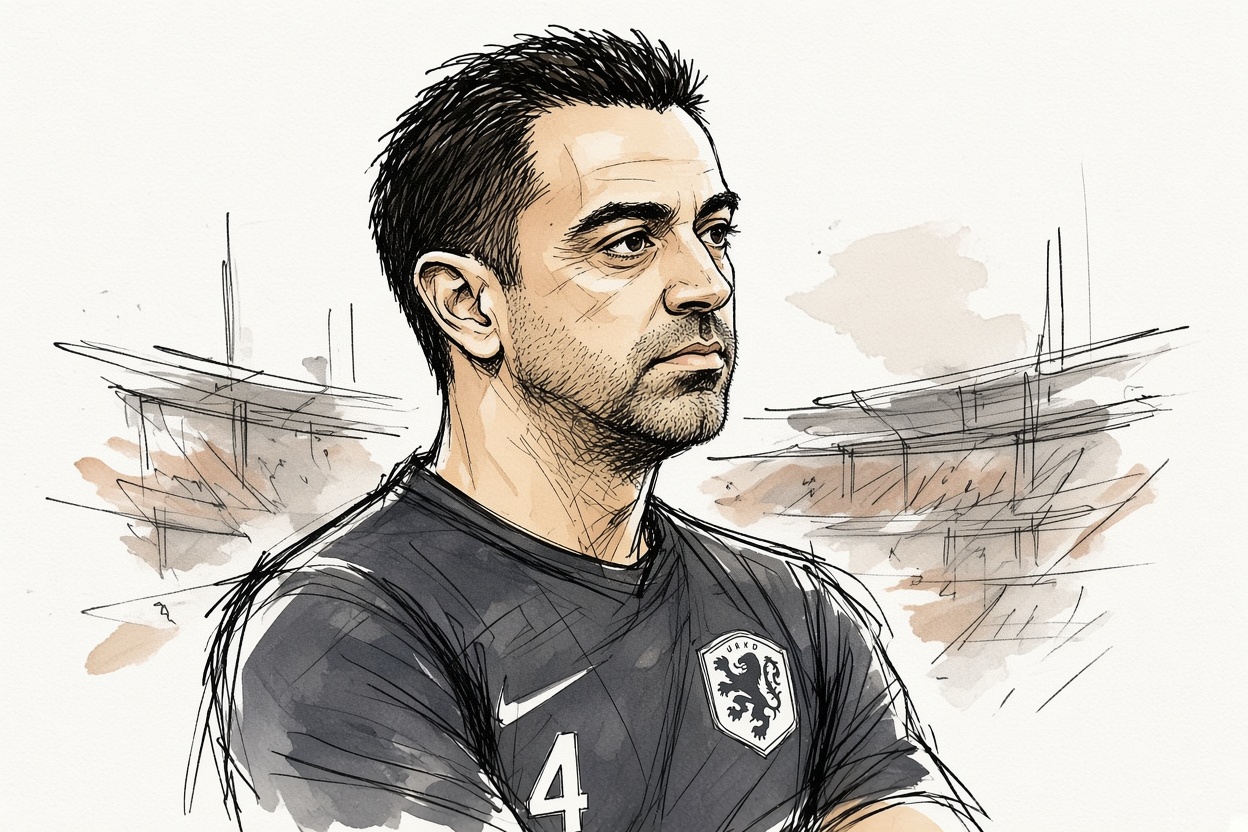


Three days before kickoff in Berlin, this was a team that had just put seven goals past Greece and only needed a draw against Germany to win its group outright. By full time at the Olympiastadion, Bart Verbruggen was screaming at his own teammates in a huddle while Brajan Gruda strolled in for Germany's fifth. That's a team that quit, and the man who built the XI that quit has to answer for it.
Start with the selection, because the capitulation began before the whistle even blew. With Virgil van Dijk out and Frenkie de Jong injured, Xavi Hernández chose Quinten Timber over Teun Koopmeiners and sent out two Tottenham centre-backs, Micky van de Ven and Jan Paul van Hecke, as his central defensive pairing. A back line built from two players who share a club dressing room doesn't automatically know how to organize itself for the Oranje. Dutch fans were asking why Timber was even on the pitch. By the time Schlotterbeck had headed home Gruda's free kick for Germany's third and Wirtz had volleyed in Gruda's pullback for the fourth, it was clear he wasn't ready for it, and neither was the back line around him.
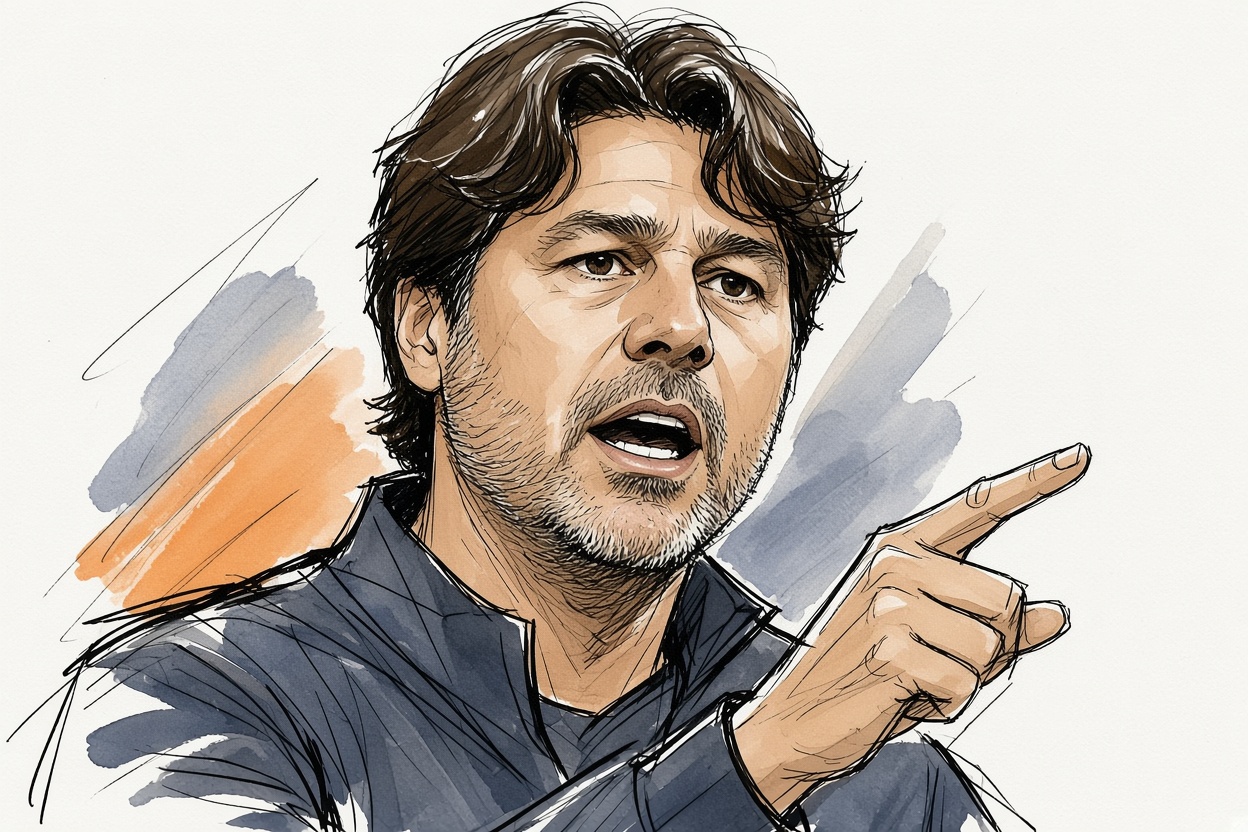
The Dutch federation would prefer the easy version of this: he's three months into the job, he inherited a squad still carrying the scars of a last-32 exit at the World Cup, and one eye-catching scoreline against the eventual group winners doesn't erase a campaign that was otherwise unbeaten. There's a lesson in it too, the kind a coaching staff can actually use: a team that dominated Greece folded completely once Germany found its rhythm. The first-choice names were missing, and the thin depth at centre-back and in midfield showed through once they were gone. Fine. Take the lesson. It still doesn't explain why the issue exposed in Berlin is the same one pundits in the Netherlands were already flagging about his team's defensive fragility weeks earlier, against Germany, Serbia and in Greece. A manager gets credit for improvement. Xavi hasn't shown any yet on the issue that just cost his team its heaviest margin of defeat to Germany since the 1950s.
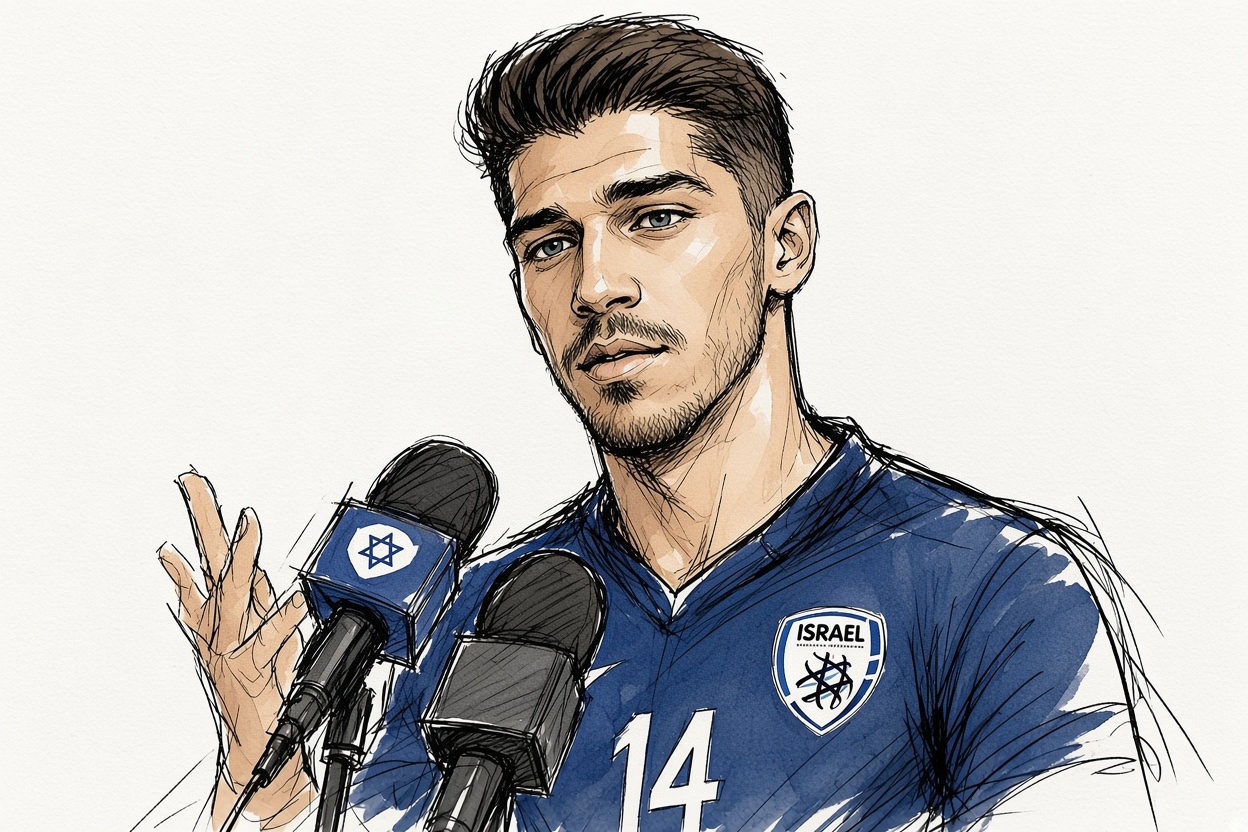
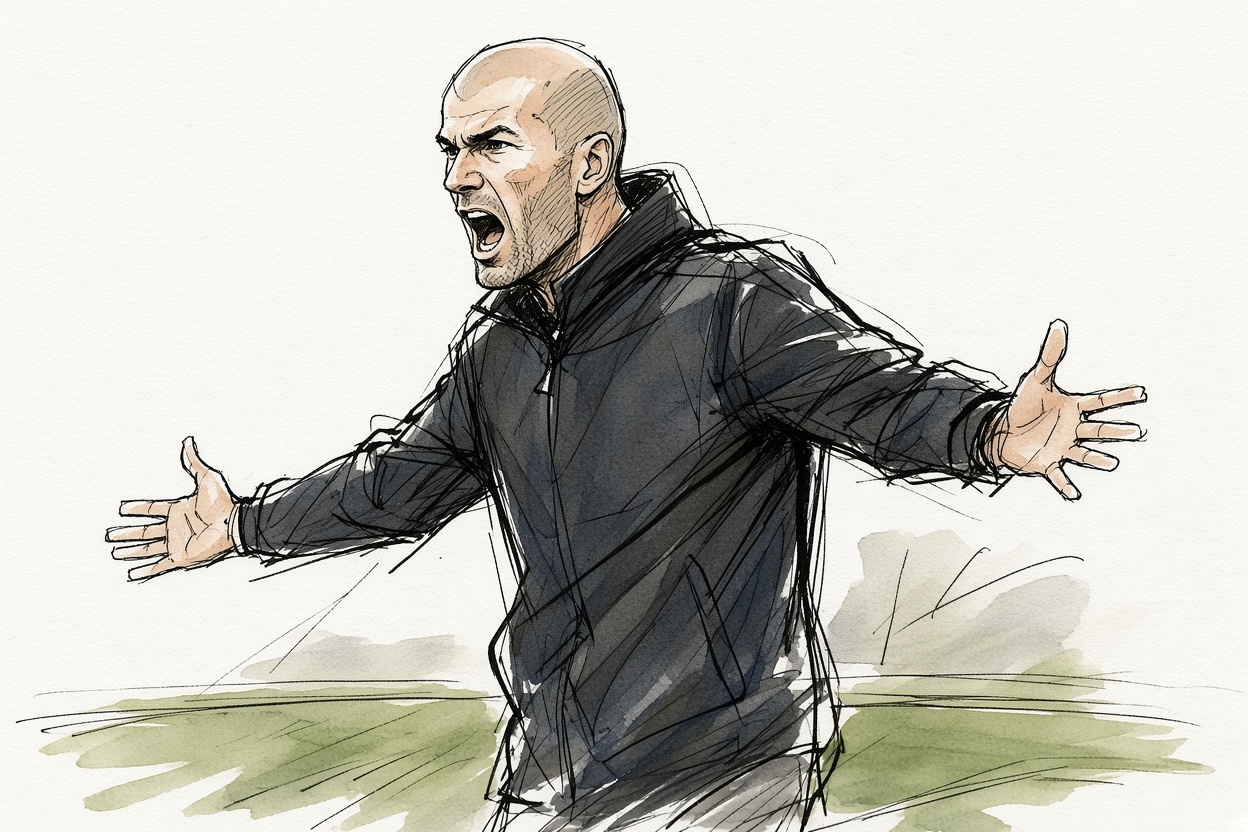
As for Germany: Jürgen Klopp spent the days before this match insisting his team is still mid-rebuild and that the result mattered less than the process. He said as much himself before kickoff, and credit to him for not overselling it even after his team put five past a side that had been flattening everyone else. But a coach downplaying the stakes doesn't mean the result lacks meaning. Wirtz looked like the best player on the pitch by a distance, and Gruda terrorized a backline that had no answer for him. A team Klopp himself called transitional just produced a dominant attacking performance against the group's form side. You don't need to declare a new golden generation to say that's a genuine marker. This group finally looks like it's building toward something.
The Dutch still advance to the quarter-finals as runners-up, which is the one mercy in all this and also the thing that should sting most. They only needed to avoid falling apart in Berlin, and they fell apart anyway, with their own goalkeeper left shouting at the only players on the pitch who seemed to care. That's on the back four and midfield Xavi left exposed, and on the man who wrote the team sheet.