The no-trade clause "crisis" is a mess thirty general managers built, and now the people who built it want sympathy.
Players asked for protection. GMs said yes. They kept saying yes until, by one analysis, 63.1% of eligible one-way players this season carry a no-trade or no-move clause, up from 43.6% back in 2018-19. In free agency it's even steeper: nearly half of new UFA contracts came with a clause this season, against fewer than one in five then. Nobody forced those signatures. Every one of them was a GM deciding that a little less flexibility down the road was worth landing the player today.
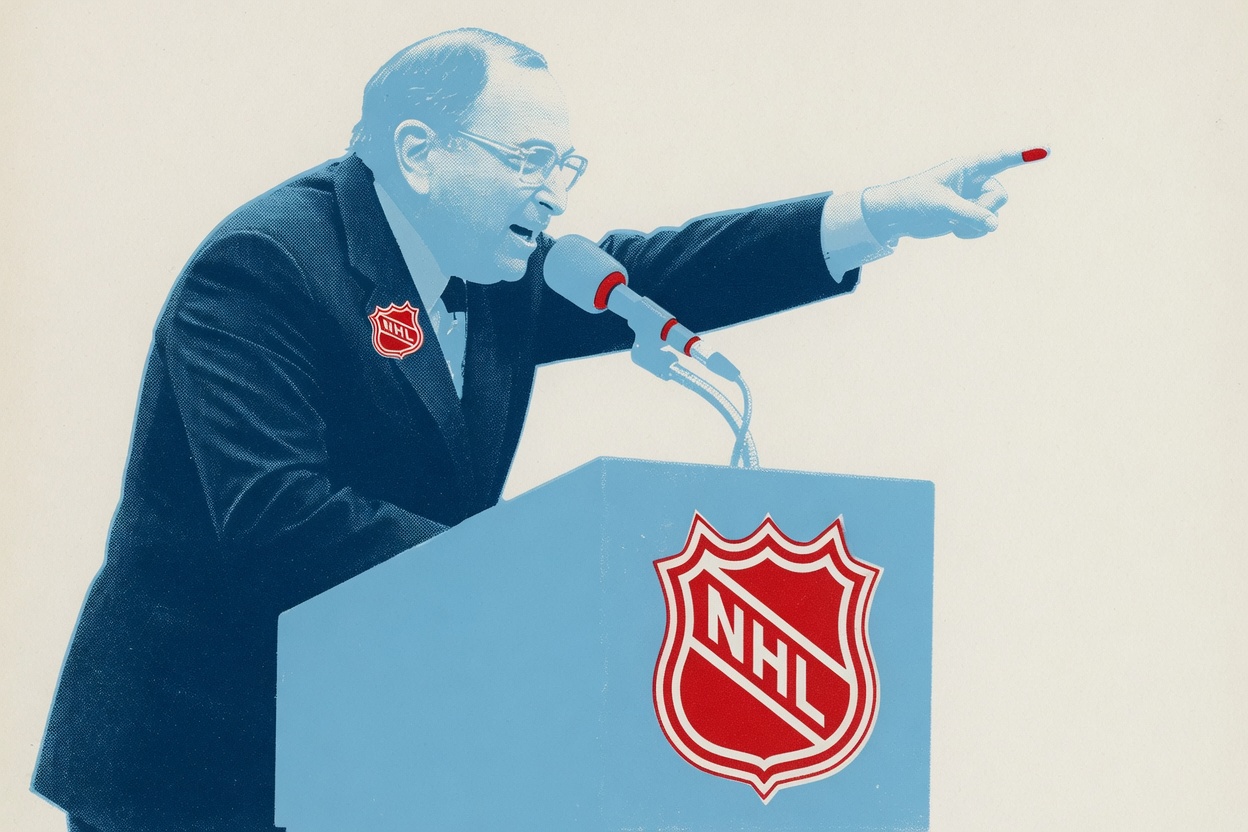
So it takes some nerve for Gary Bettman to go on the radio on Oct. 1 and tell everyone this is a shame. "As I look at what's happened or is happening now, I don't think that's a good thing," he said. "I don't think it's good for the player, I don't think it's good for the club, I don't think it's good for fans watching and their connection to the game." He hedged it with "I don't think one off-season a problem makes." Fine. But the man running the league is treating a decision his own clubs made like something that happened to them.
The NHLPA's Ron Hainsey said the obvious part out loud a few days later. "Players give up significant compensation demands to obtain a no-trade clause. They are 'purchased' by the player," he said, adding that if the league wants to talk about scrapping no-trade clauses, "then we should also discuss elimination of the buyout and the hard cap at the same time." A clause is a line item a player paid for by taking less money somewhere else, and the team across the table agreed it was a fair trade.
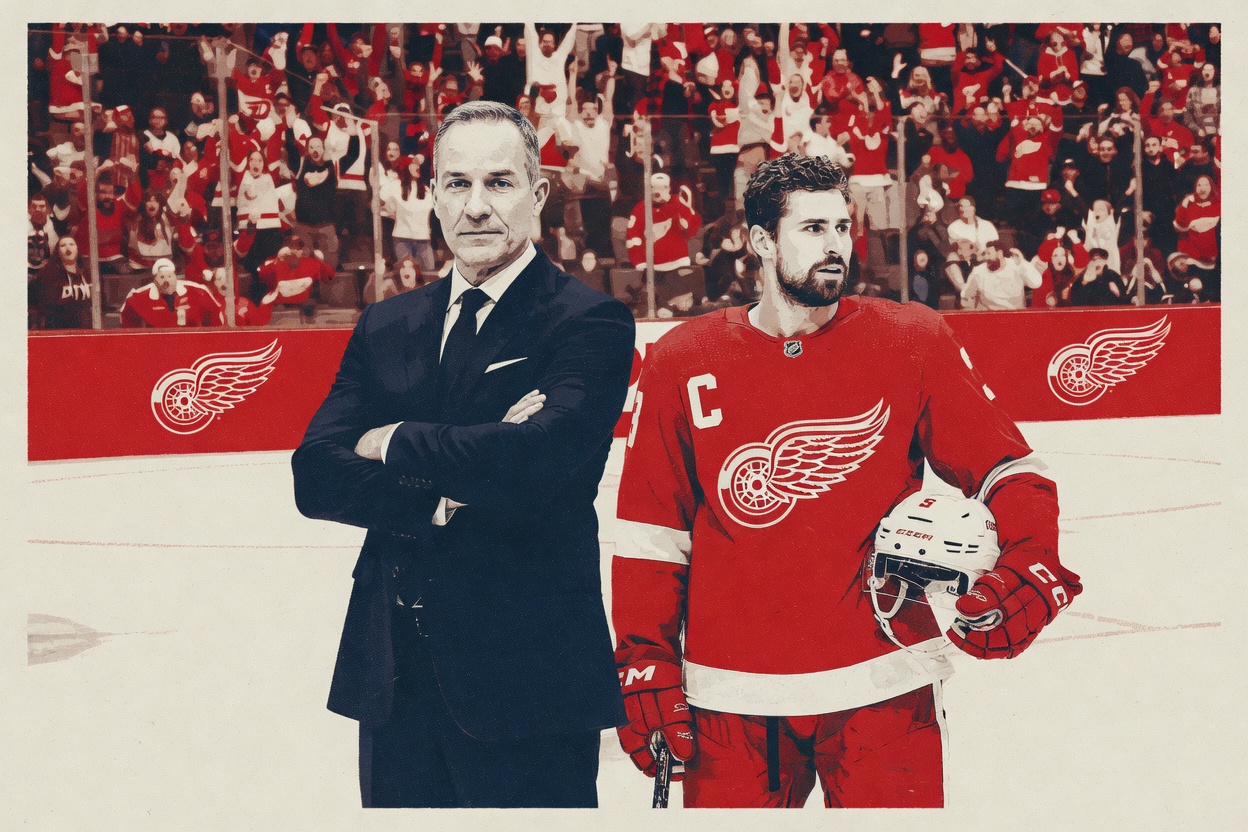
Look at who actually moved this past summer. Brady Tkachuk used his no-movement clause to force his way from Ottawa to Florida, where his brother plays. Darnell Nurse got his move from Edmonton to San Jose after asking. Dylan Larkin, Connor Hellebuyck, Alexander Nikishin and Shane Wright wanted out too, with more behind them. Hellebuyck went public in late August about a request he'd made in the spring. Jack Eichel forced his way out of Buffalo years ago and it worked out fine for everyone except Buffalo. Every one of these players did exactly what his contract let him do. They're using the system the way it was drawn up.
When two-thirds of your protected player pool can veto a deal, roster building gets genuinely harder, and the clubs nobody wants to play for get stuck holding the same overlapping no-trade lists. A structural cap on how many clauses a team can issue, or voiding protection when a player demands out, would clean up the excess without robbing anyone of what they bought. Those are reasonable ideas. They'd just be fixing a hole the GMs dug, by clawing back leverage the GMs chose to give away in the first place.
None of it is happening soon. Bill Daly has made clear the current CBA runs through 2030 and he doesn't expect this to be touched before the next round of bargaining. For now it's a war of words, with the league complaining about contracts its own executives wrote.
If thirty smart hockey men decided control was the price of signing their stars, they don't get to act shocked when the stars use it. Pay the price or stop signing the deals.