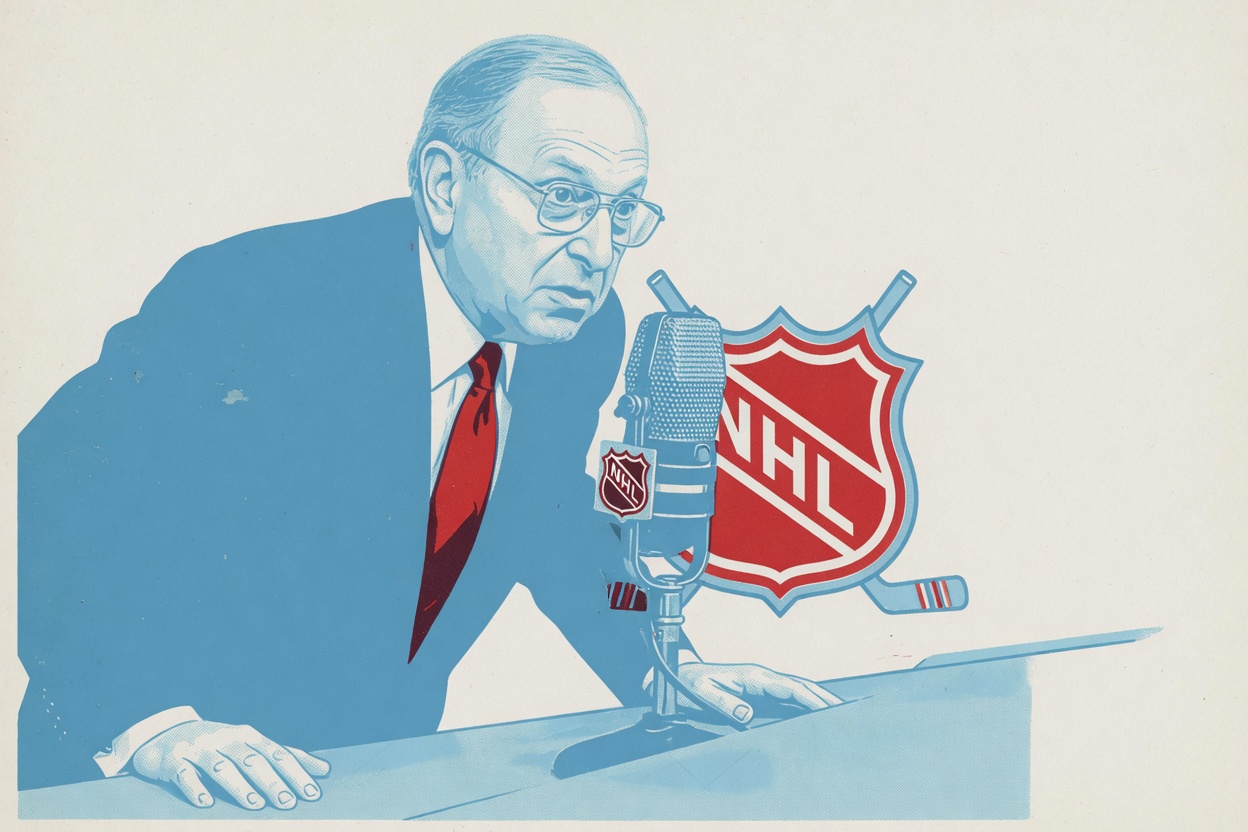
Gary Bettman wants you to believe NHL players are gaming the system. Really, they're just reading their contracts correctly, and the discomfort belongs to the general managers who signed off on that language in the first place.
On Thursday, October 1, 2026, in a radio spot on Sportsnet 590 in Toronto, Bettman floated the idea that no-trade and no-movement clauses are no longer being used the way they were meant to be. His complaint: stars are requesting trades and then using their veto to steer themselves to a short list of preferred destinations. "I don't think it's good for the player, the club or the fans' connection to the game," he said. He went further on intent: "This notion now where, a) you can select where you want to go to and b) you can demand a trade. That was never the original intention."
A no-movement clause is negotiated consideration. A player gives something up to get one, usually a lower cap hit or a hometown discount, and in exchange he gets a say over where he spends the back half of a long contract. Bettman admitted as much himself, describing the original purpose as protecting a player who "wanted to make sure you can be where you wanted to be." A player who holds a fully negotiated veto, and then uses it, is doing exactly what the clause was built to let him do.
Allan Walsh, who represents players for a living, put it plainly: "This is the biggest nonissue in the NHL. No one forces teams to give out no-move and no-trade clauses. They are freely negotiated as part of NHL contracts." Detroit didn't have to give Dylan Larkin trade protection on his eight-year deal. Winnipeg didn't have to protect Connor Hellebuyck. Nobody held a gun to any front office. If a GM hands a core player a veto and then discovers, years later, that the player might actually want to use it, that's a failure of imagination in the GM's chair.
And the players can't even force a trade. Larkin can submit his list. Hellebuyck can make his request public, as he did with the Jets. The team still decides whether to move him and for what. A disgruntled star naming a few teams and letting his employer sweat the logistics is the single most normal thing in professional sports with any form of trade control. Calling that an abuse is like calling a mortgage holder abusive for paying off the house.
The timing is the real question. The current CBA runs through the 2029-30 season, so he has no mechanism to change these clauses for years. He even hedged the whole thing, saying one off-season doesn't make a problem and that if it becomes one, "it's something we're going to have to discuss with the players' association." Translation: he's planting a talking point for a bargaining fight he doesn't have to open yet. Say it out loud enough times now, and by the time the CBA comes due, "players are abusing their clauses" has quietly become conventional wisdom.
The union read it exactly right. NHLPA assistant executive director Ron Hainsey didn't blink: "The beginning of this conversation about no-move and no-trade clauses, we do take as an attack on players' CBA-negotiated rights. And we will treat it as such." This is an opening shot, and treating it like idle musing would be a mistake.
Limited trade lists do hurt small-market clubs most. A player who'll only go to three contenders leaves a team like Winnipeg with thin leverage and a weaker return. That's a legitimate concern. But the fix for that was available at the negotiating table every single time one of these deals got signed. A GM can decline to offer full no-movement protection, or price the downside into the deal from the start. What a GM cannot do is hand out the right, take the discount that comes with it, and then run to the commissioner when the player uses it.
Bettman knows the difference between a player breaking the rules and a player following them. He's chosen to blur it on purpose, in public, years early, because it's cheaper to lose this argument in the court of fan opinion today than at the bargaining table in 2030. The players aren't the ones acting in bad faith here. The guy with the microphone is.