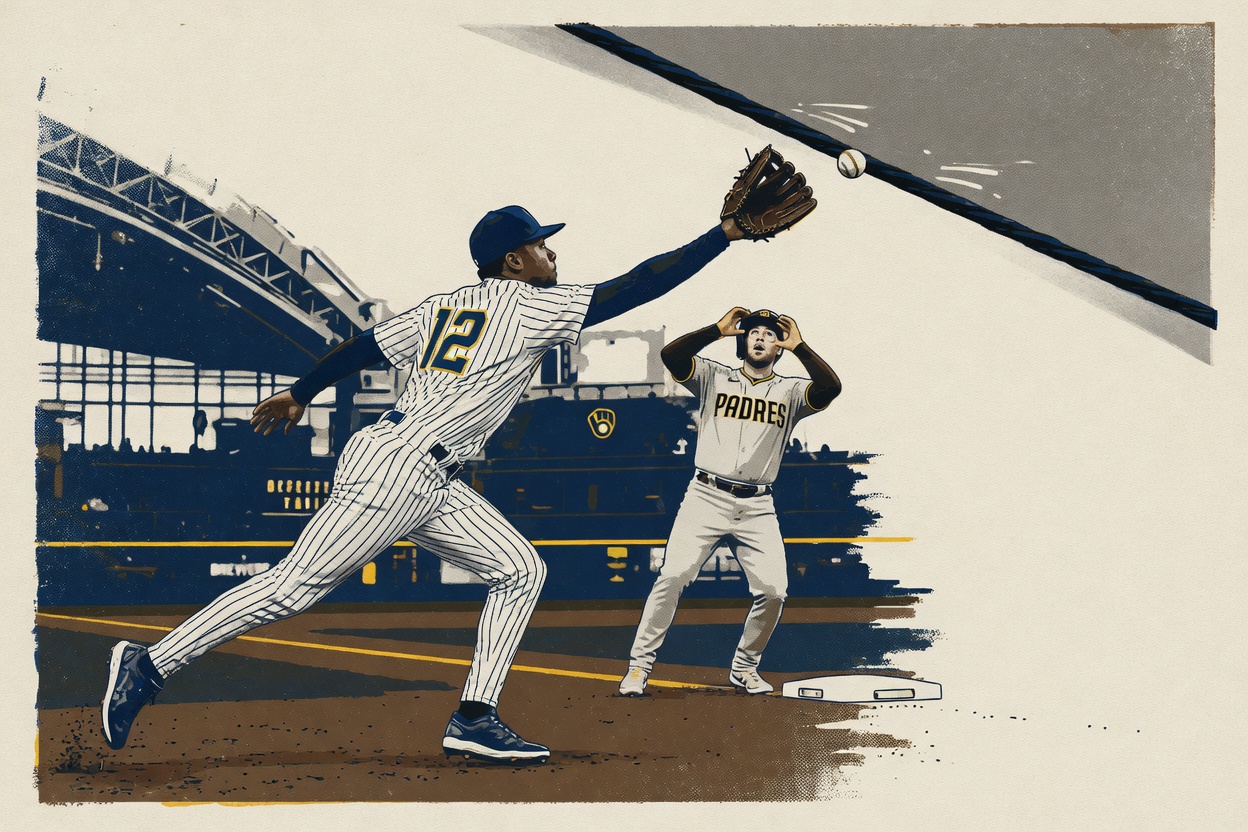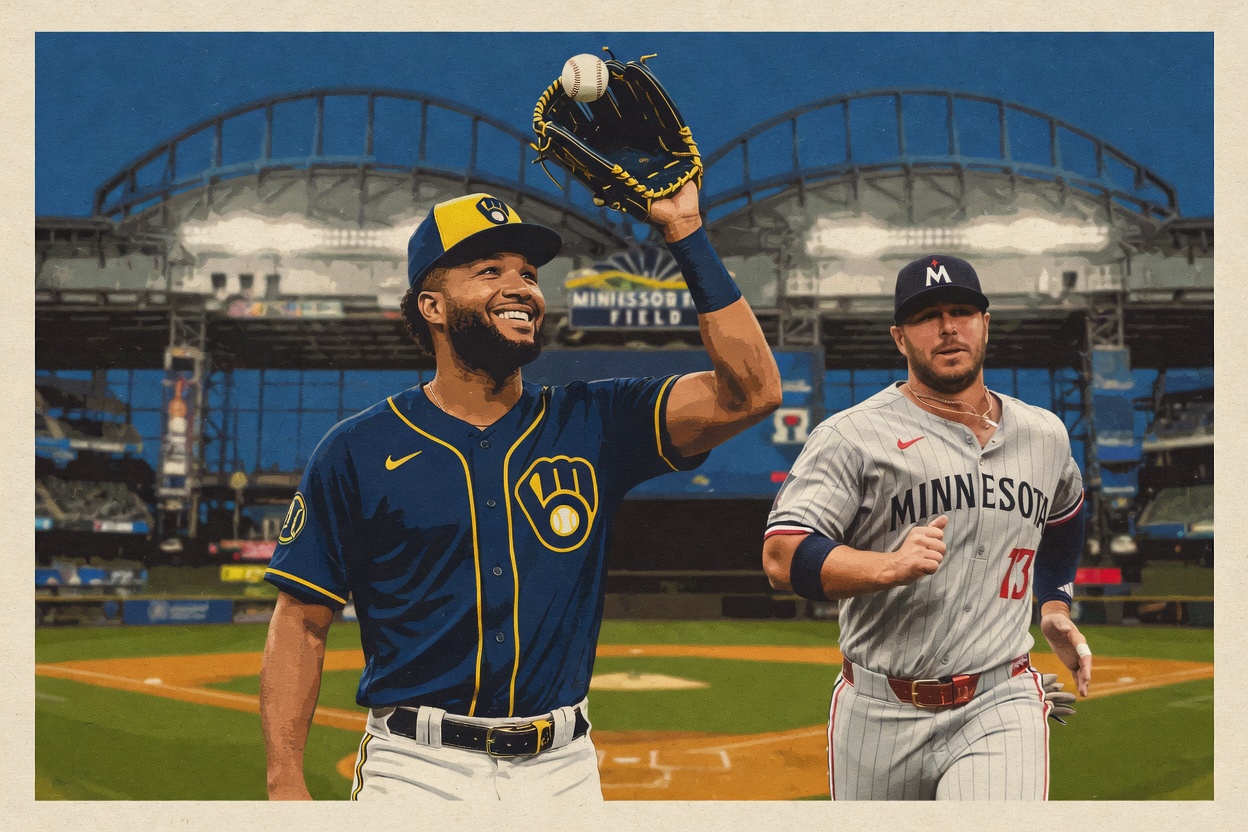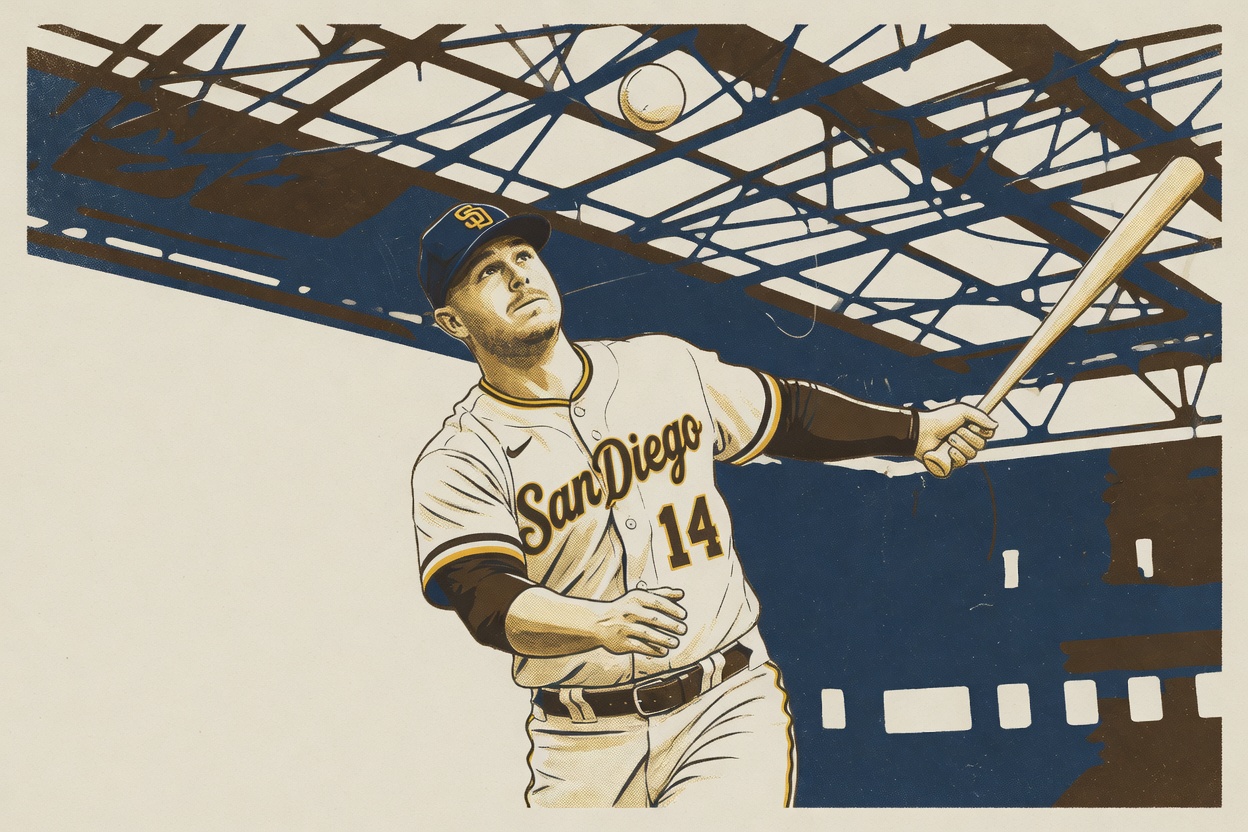
The umpires didn't rob the Padres in Game 1 of the NLDS on Saturday. Ty France sent a ball toward left field that looked, for a second, like a go-ahead home run, and the crew at American Family Field got the call exactly right. If you want to be angry, aim it at the roof.
With one out in the top of the ninth and the Brewers up 3-2, France got a 98 mph fastball from Trevor Megill and launched it: 105.3 mph off the bat, a 49-degree launch angle, a ball climbing into the Milwaukee night. It hit a roof cable and dropped into Jackson Chourio's glove, 325 feet from home plate. Out, runner holds, and the Brewers win 3-2 to take a 1-0 series lead.
The ground rule at American Family Field is not vague and not new. A fair ball that strikes the roof, truss, or any cabling stays live; if a fielder catches it, the batter is out. Strike the roof over foul territory and it's a dead ball. That's it. The only thing the umpires had to settle was fair or foul at the point of contact, the Padres challenged exactly that, and replay confirmed it was fair. There is no missed call to litigate here. The crew did its job.
The Padres knew the scenario cold, too. Craig Stammen said umpire Nic Lentz went over the ground rule before the first pitch, and that the clubs had even joked about the roof at the umpire meeting. "We joked about it at the umpire meeting today about what would happen if the ball hit the roof," Stammen said. "And it was unlikely, but it happened. Unfortunately it was a bad break for us. It looked like it was a possible home run. It just didn't go our way." That's a manager who lost a tough one and knows the rule caught him.
Nobody really knows whether that ball leaves the yard without the roof, and anyone who tells you they're certain either way is guessing. The launch angle screams no: Statcast says a ball at 105.3 mph and 49 degrees has never left any yard in the tracking era, and no home run has ever been hit at American Family Field with a launch angle above 46 degrees since Statcast started in 2015. By the numbers, this was a sky-high can of corn that happened to find a cable. Then again, there was a postgame feeling in the building that the ball was gone in open air, and the entire FS1 booth called it live like a home run. "I think that was a homer. I think that was a homer," Adam Wainwright said on the air. "That's getting out of here, I think." The data says no; the eyes in the ballpark said yes.
Pat Murphy wants no part of the sympathy tour. "It was going to be a foul ball for sure," the Brewers manager said. Megill, who has pitched in that park for years, called it a first: "Four years in this stadium, I've never seen that before."
The roof is the real problem. In a playoff game, in October, Milwaukee played indoors, and the roof turned a ninth-inning swing into an out. The ground rule itself is fine. Ground rules are supposed to exist, and this one applies to both dugouts equally; the same cable could just as easily have swallowed a Brewers blast. What's indefensible is deciding to leave the roof hanging over fair territory and then letting it decide a playoff at-bat.
Milwaukee more or less admitted as much: the Brewers plan to open the roof for Game 2. Conditions change, sure, but if open sky works fine for the next game, the call to close it for this one is what fans should be angry about.
Nobody conspired against the Padres in Game 1. They lost 3-2, in a ballpark that played with the roof closed when it didn't need to be. Blame the roof, and blame whoever shut it.