Programs almost never make the clean decision when the cost is this high, so give TCU credit for the part that looks obvious in hindsight and rarely is in the moment. The Horned Frogs dismissed Jacob Fields, their projected starting safety, days before the season opener instead of sitting on the problem and hoping it stayed quiet.
The school's only on-the-record explanation was boilerplate: "Due to a violation of team rules, Jacob Fields has been removed from our roster and will not be a member of our team football team moving forward." No detail on the violation, which is standard for a program trying to say as little as possible while a police case is open.
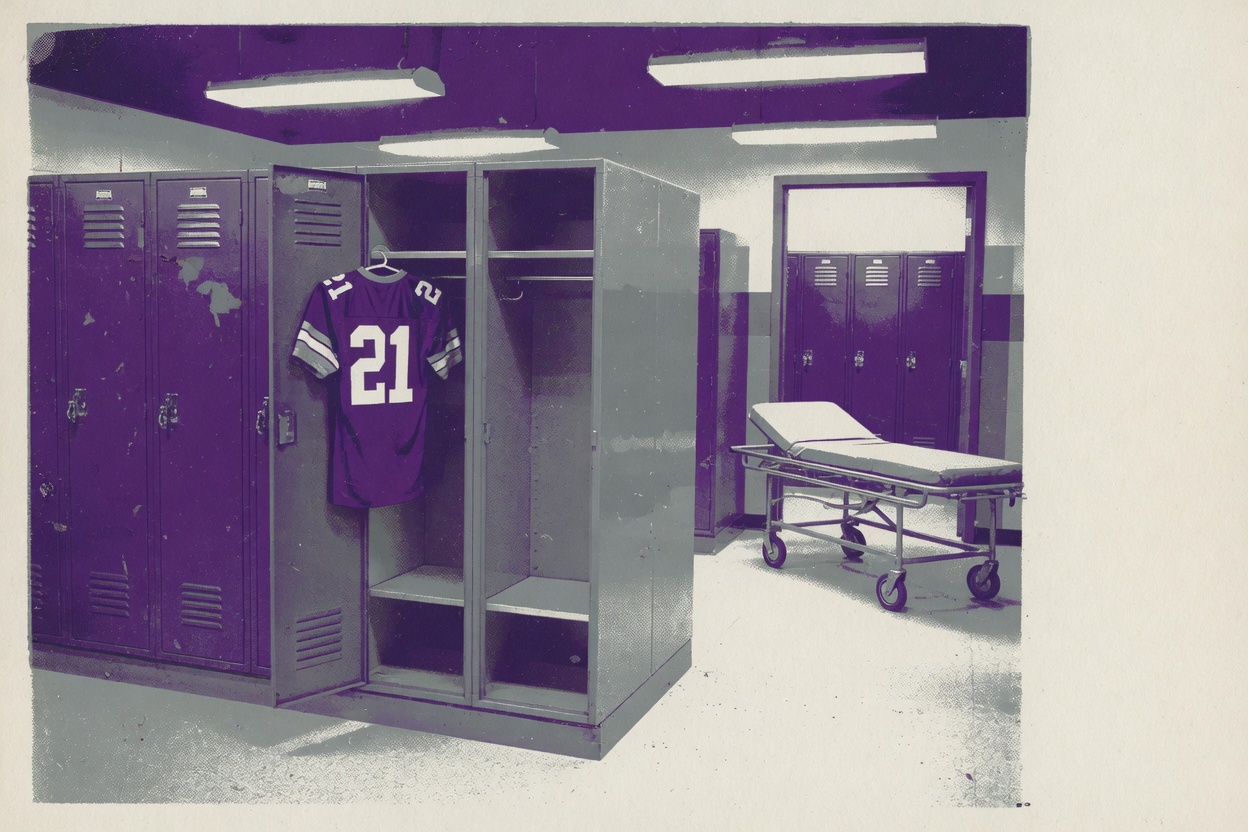
What sits underneath that statement isn't standard at all. TCU's crime and fire log shows an aggravated assault reported in the John Justin locker rooms, with the incident occurring at 1:30 p.m. on Aug. 13 and reported the next afternoon. The Athletic obtained the police incident report and found that TCU's general manager told the responding officer about an assault in the locker room, with the offense listed as alleged aggravated assault with hands, feet, or fists. The case remains open, and no criminal charges have been filed.
The report redacted the victim's name and didn't identify the alleged assailant; Fields has been named as the alleged aggressor through sourcing, not the document itself. Multiple outlets have reported the injured teammate as sophomore wide receiver Dozie Ezukanma, who was hospitalized and remains hospitalized, unlikely to play in TCU's opener against North Carolina on Aug. 29. The more graphic descriptions floating around social media, that Ezukanma was "beaten" or "sucker-punched," trace back to unverified aggregator and social sourcing rather than the police report, and they deserve that asterisk.
Here's the tension TCU actually resolved. Fields wasn't a body at the back end of the depth chart. He came over from Louisiana Tech as Conference USA Co-Defensive Player of the Year in 2025, a safety who started 12 games and became the first defensive back to lead the Bulldogs in tackles since 2014, with three interceptions, two returned for touchdowns. That's a real player, the kind a staff usually talks itself into keeping when the calendar is against it. TCU didn't. Whatever the legal outcome ends up being, the program decided the room mattered more than the box score. Losing that kind of production days out from kickoff is the price of meaning it.
That clean exit only sharpens the question of how Fields got the job in the first place. Transfer-portal recruiting is speed dating with scholarship money attached. Coaches evaluate tape in an afternoon and character on a phone call, and TCU handed a starting job to someone who, if the reporting holds, allegedly put a teammate in the hospital before the season even began. That's not a hindsight gotcha aimed at Sonny Dykes and his staff so much as a fair question: what does the vetting actually look like when you're chasing a Defensive Player of the Year in a market built to reward moving fast?
Dismissing Fields was the right call, and an uncomplicated one. Figuring out how he got the keys to the secondary in the first place is the harder job. Both answers matter. Only one of them is settled.