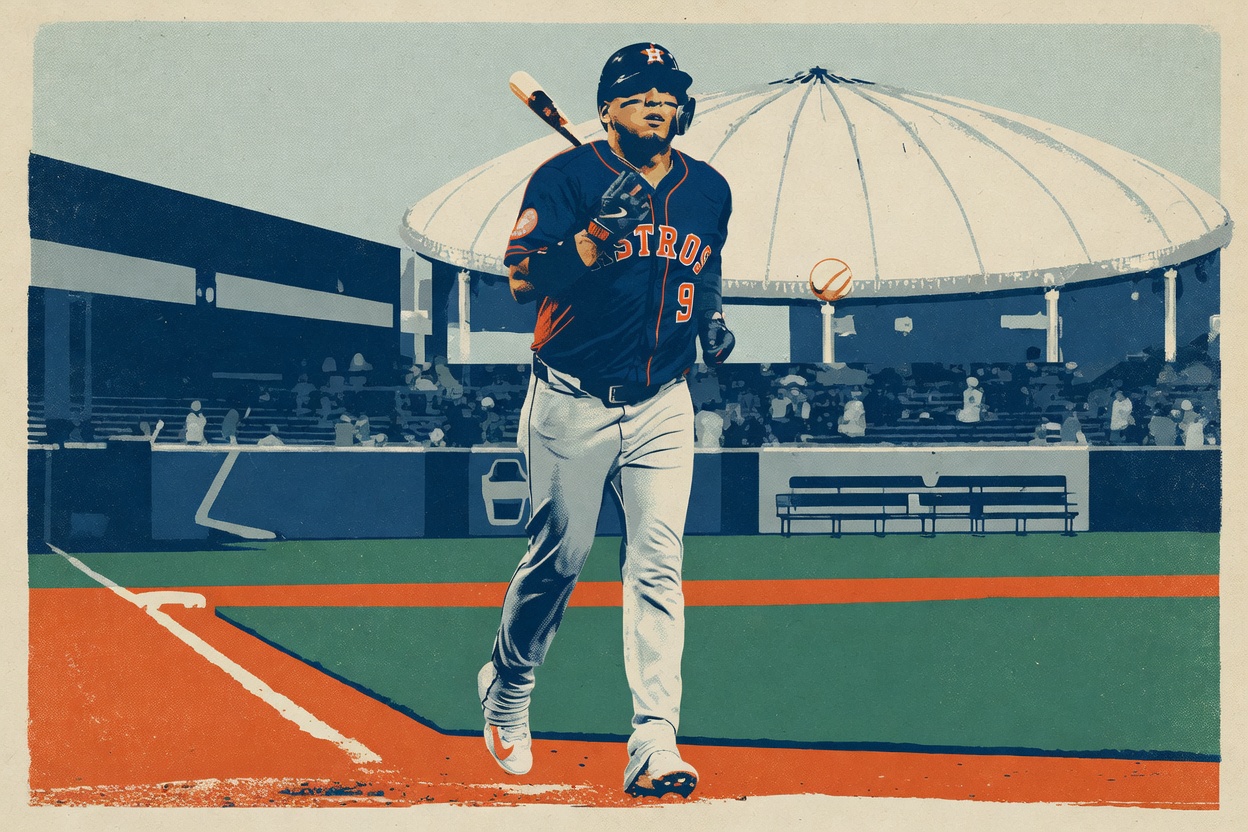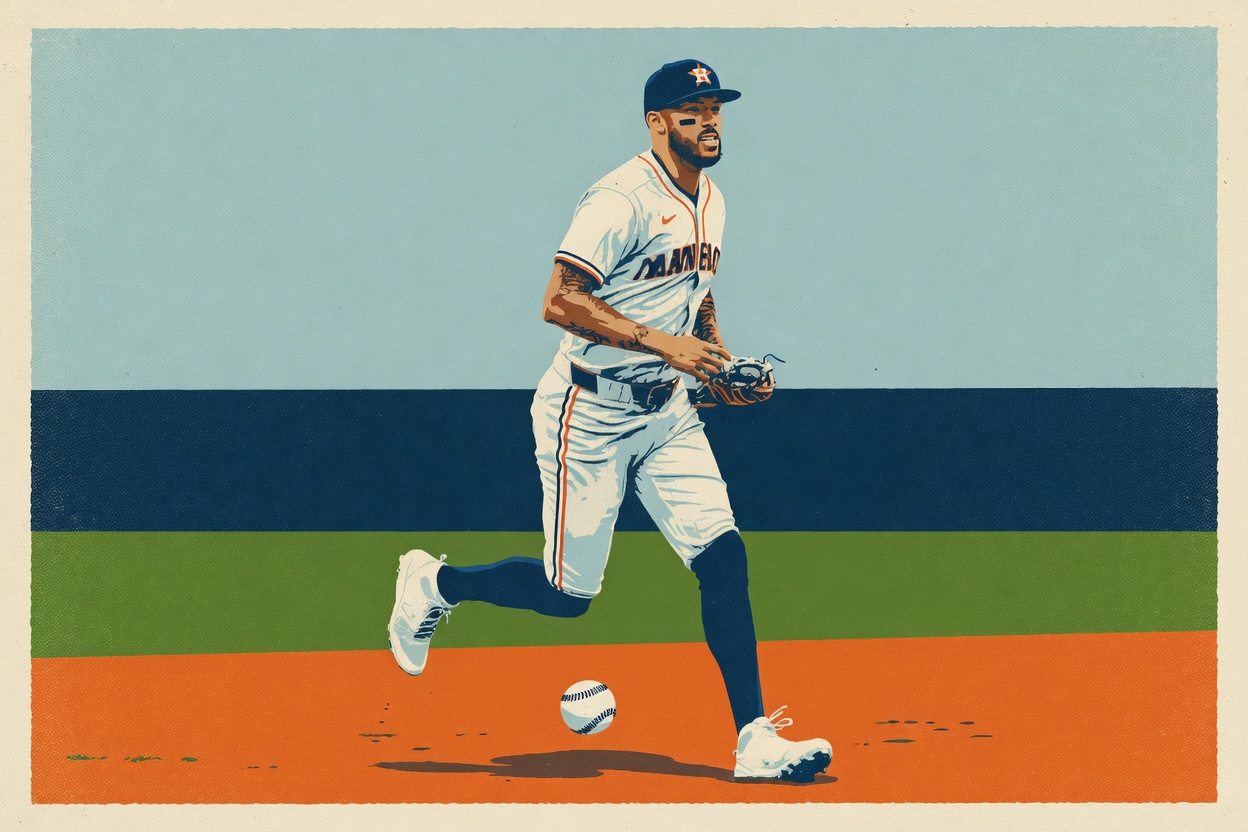
The Astros made the right call, and that part isn't complicated.
On September 15, Joe Espada told reporters Carlos Correa won't play again this season. Not because something snapped, but because it wouldn't stop aching. Correa tore the peroneus brevis tendon in his left ankle on May 5 and had surgery on May 11, a procedure expected to keep him out six to eight months. He beat that clock in spirit. He just couldn't beat it in the body.
Espada was careful to say this isn't a fresh injury or a reinjury. It's what pushing too hard costs you.
"It's just the buildup and every day we did a little bit more around the bases, the swinging on the field, the just being on the spikes for such a long time, it just kind of flared up on him," Espada said.
That's a manager describing a body that keeps writing checks the ankle can't cash. So Houston stopped. Espada put it plainly: "We're at a point where we have to be really smart about this. It's getting to a point where he wakes up in the morning and just to get him going, it's tough. We have to be cautious with this guy."
Good. When a decorated player wakes up sore just to get moving, you don't gamble him on a stretch run. You protect the asset and point him at spring training. That's the plan the club settled on, and it's the right one.
The uncomfortable part is what comes next.
Houston wanted him back for a reason. This wasn't a courtesy comeback. Correa progressed well enough that once he was cleared to swing the bat in early August, right around the time the team moved into first place in the AL West on July 31, the front office started sketching out where he'd fit. "I wouldn't be doing all this work if I didn't think there was a chance," Correa said on August 1. He began running. He even took grounders at second base, a spot he'd never played, because Houston was willing to bend the roster into any shape that got his bat back in the lineup. You don't ask a former shortstop to learn a new position in September for depth. You do it for a difference-maker.
Correa is that. He has a World Series ring from 2017 (yes, that season carries the asterisk everyone knows about, and both things can be true at once). He was the 2015 AL Rookie of the Year, a Gold Glove winner in 2021, and by Baseball-Reference's count he has seven go-ahead home runs in the postseason, tied for the second-most among shortstops ever. When October arrives, that's exactly the hitter you want at the plate with the game hanging.
Instead, Houston heads into the final stretch with an infield held together by two guys and not much else. Here's how it got here. Jeremy Peña went on the IL in mid-April, which slid Correa from third to short and handed third base to Isaac Paredes. When Correa's ankle went in May, the club patched shortstop with glove-first journeymen Nick Allen and Braden Shewmake until Peña healed up. Peña's back now, and he reminded everyone why he matters by homering twice in Tuesday's win over Kansas City. Paredes is the everyday third baseman.
Behind them are Allen and Shewmake, neither of whom will scare anyone at the plate. Shewmake in particular has bounced around this year, designated for assignment, then brought back. Nobody in that group is a right-side bat you plug in without wincing. If Peña tweaks something, or Paredes goes cold for two weeks in late September, there's no Correa to absorb the blow. There's a downgrade and a prayer.
The safe medical call and the thin roster are really the same problem, just seen from two sides.
And the timing doesn't help. As of mid-September, the Astros led the AL West by about a game over Texas, with roughly a dozen games left to play. This has been a soggy, .500-ish division race for weeks, the kind where one bad stretch flips the standings. In a runaway, you'd shrug off losing Correa for the year. Houston doesn't have that luxury. Every game is a coin flip, and they're flipping it a bat short.
So credit the Astros for the discipline. Shutting Correa down protects a franchise cornerstone and points him toward a healthy 2027, and that's the adult decision. Just don't confuse the smart call with a painless one. Houston is trying to hold first place with an infield that runs out of answers the moment anything goes wrong, and the one player built for these exact stakes is watching from Florida.
Right process, nervous math. The next couple of weeks will decide which one this season remembers.