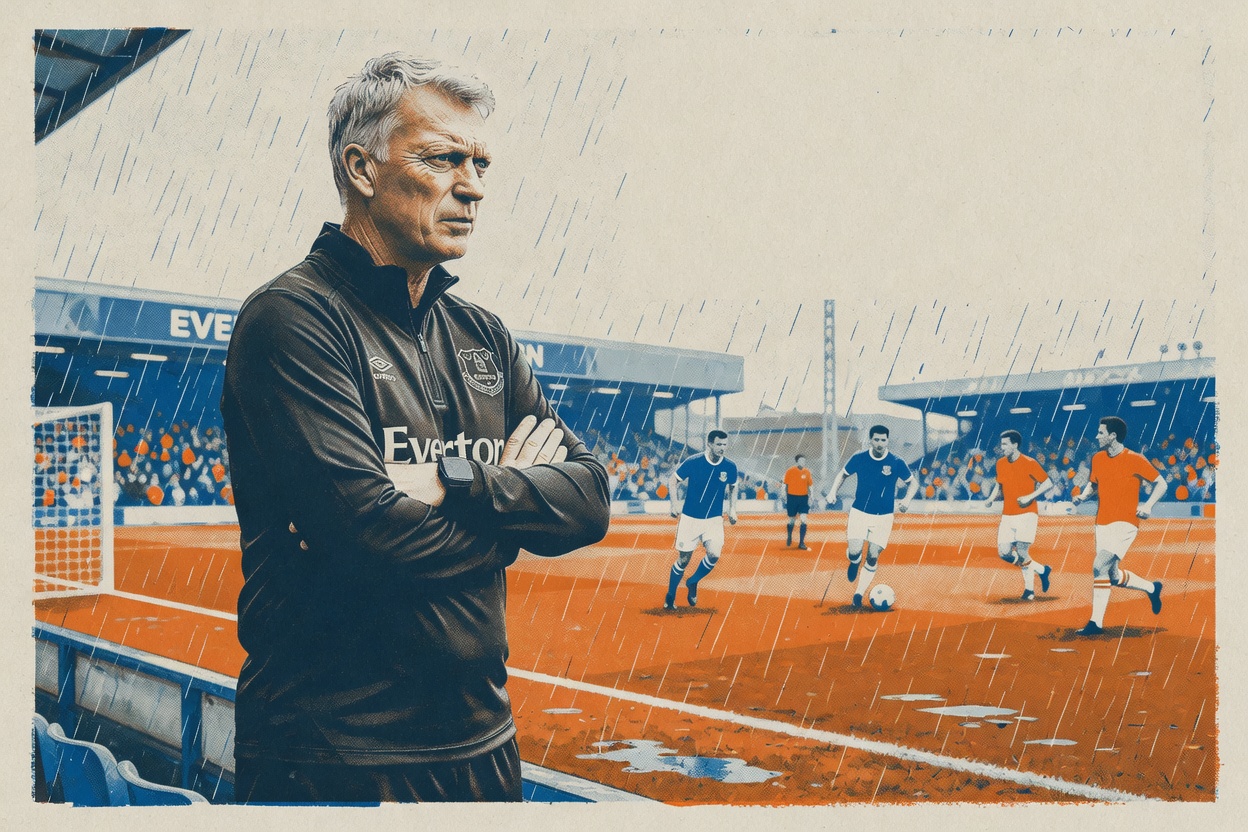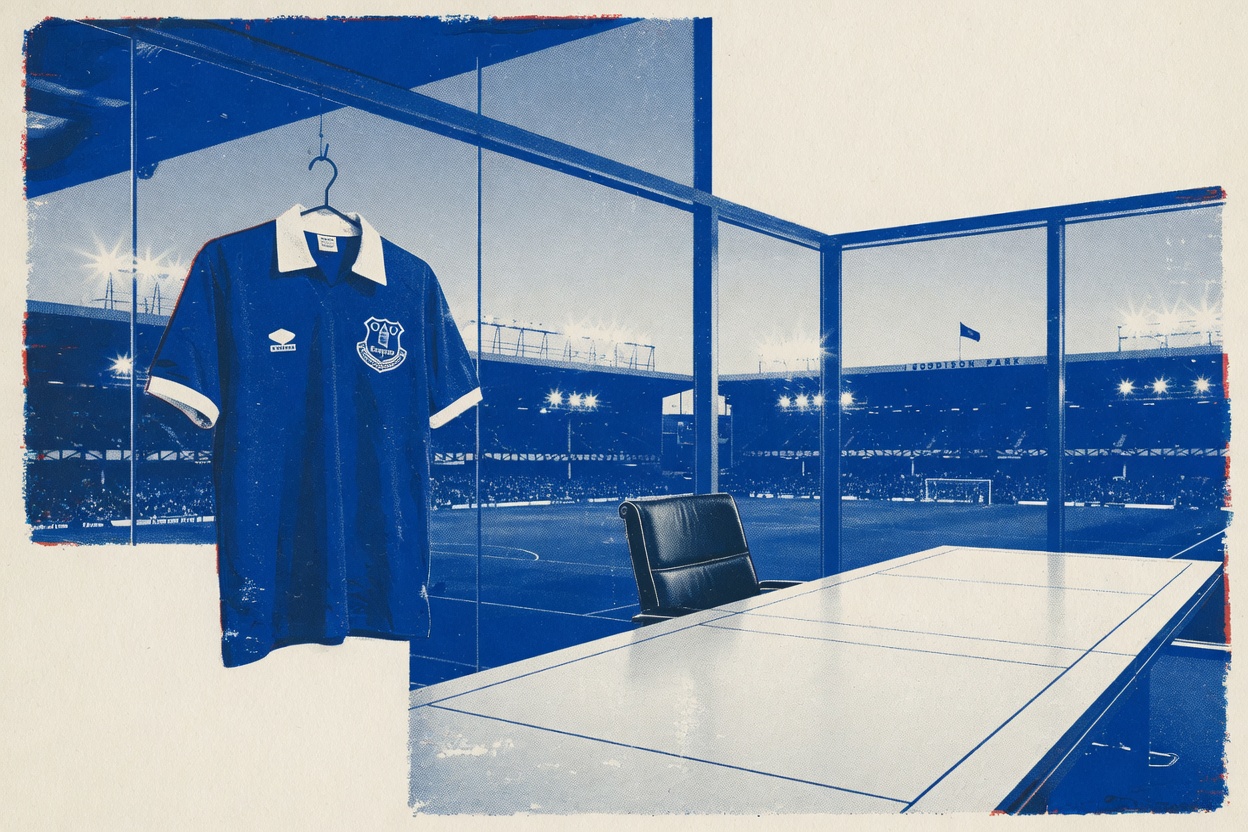
The Friedkin Group put Everton up for sale. Three days later, still no buyer.
On October 9, 2026, Dan Friedkin's group said it was open to selling a controlling stake, less than two years after completing its takeover in December 2024 and ending Farhad Moshiri's eight-year reign. They've hired Moelis & Company to run the process. They say they're happy to keep bankrolling the club until an owner of the right calibre turns up. No buyer has been named.
How does a club in the richest league on earth go on the market and get silence back?
Start with the number that should empty any chequebook. Everton spent 79% of its turnover on wages in 2024/25, per Deloitte. Buy the club and most of the money coming in walks straight back out to the squad before you've turned the lights on. Then there's the geography. Everton is the second club in a city whose other team is one of the biggest brands in the sport. If you're an investor chasing global eyeballs, you don't go shopping for the smaller name in someone else's postcode.
Wages and geography matter, but they don't explain everything. The league bears blame too. It made itself uninvestable. For years it waved through the spending it's now trying to claw back with profit and sustainability rules, then let its biggest enforcement case curdle. City were reportedly found guilty on 114 of 115 charges, and there's still no punishment. Think about what that does to a buyer. You're asked to pay peak price for an asset governed by a rulebook that's either unenforced or enforced years too late, against a champion that may face nothing at all. Nobody parks a billion dollars in a business whose rulebook doesn't actually get enforced.
Some of this is plain maths. Clubs bought at the ceiling have nowhere left to climb, league cleanup or not. But the ceiling is self-inflicted. Valuations ran to the top because owners kept bidding each other up on wages the league wouldn't cap, and because the financial rules looked like a guarantee right up until the City verdict showed how little they bind anyone.
Don't pity the owners standing in an empty room. Friedkin bought Everton in late 2024 knowing the wage numbers, the city, and the City case hanging over the league. The group can afford to wait, and says it will. The people who can't wait are everyone else staring at the same spreadsheet and deciding the Premier League is a wonderful place to watch football and a terrible place to invest in it.
The league spent a decade selling itself as the best product in sport and forgot to make itself worth owning. Everton is simply the first to pick up the phone — the line is still ringing.