The 2011-is-about-to-be-the-greatest-draft-ever story has a problem nobody mentions: the countdown clock is homemade.
The viral version comes with a precise gap and a hard date. Eight WAR back, overtaking 1985 in 2027, basically a done deal. The underlying idea holds up. 2011 really is the best draft class the sport has produced in the modern era, and it really is closing on the all-time standard. But no serious baseball outlet has published that exact margin or that exact year. Someone made it up for a tweet, and it's been repeated ever since like it came off a spreadsheet.
That distinction matters because the two halves of the claim don't rest on the same ground. The trend has years of mainstream reporting behind it. The date has one post behind it.
Start with what's solid. 1985 is the benchmark for a reason. The Brewers took B.J. Surhoff first overall, and that same first round delivered Barry Bonds, Barry Larkin and Rafael Palmeiro. Larkin went fourth, spent 19 years in Cincinnati, made 12 All-Star teams, won nine Silver Sluggers and the 1995 NL MVP, and reached Cooperstown. Randy Johnson got there too, inducted in 2015 alongside John Smoltz, a 22nd-round pick by the Tigers. Three Hall of Famers out of one class. As of 2017, no draft in history had piled up more Baseball-Reference WAR. That's the mountain 2011 is supposedly about to climb.
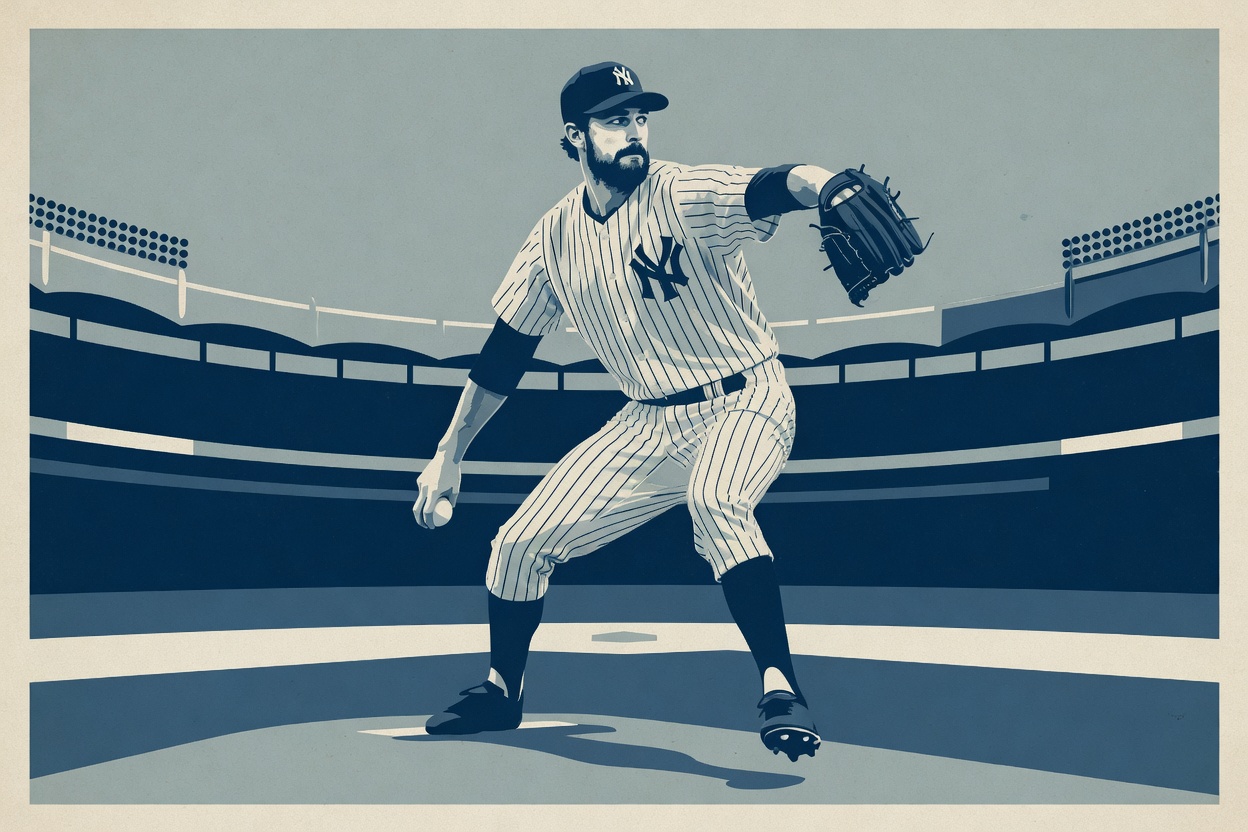
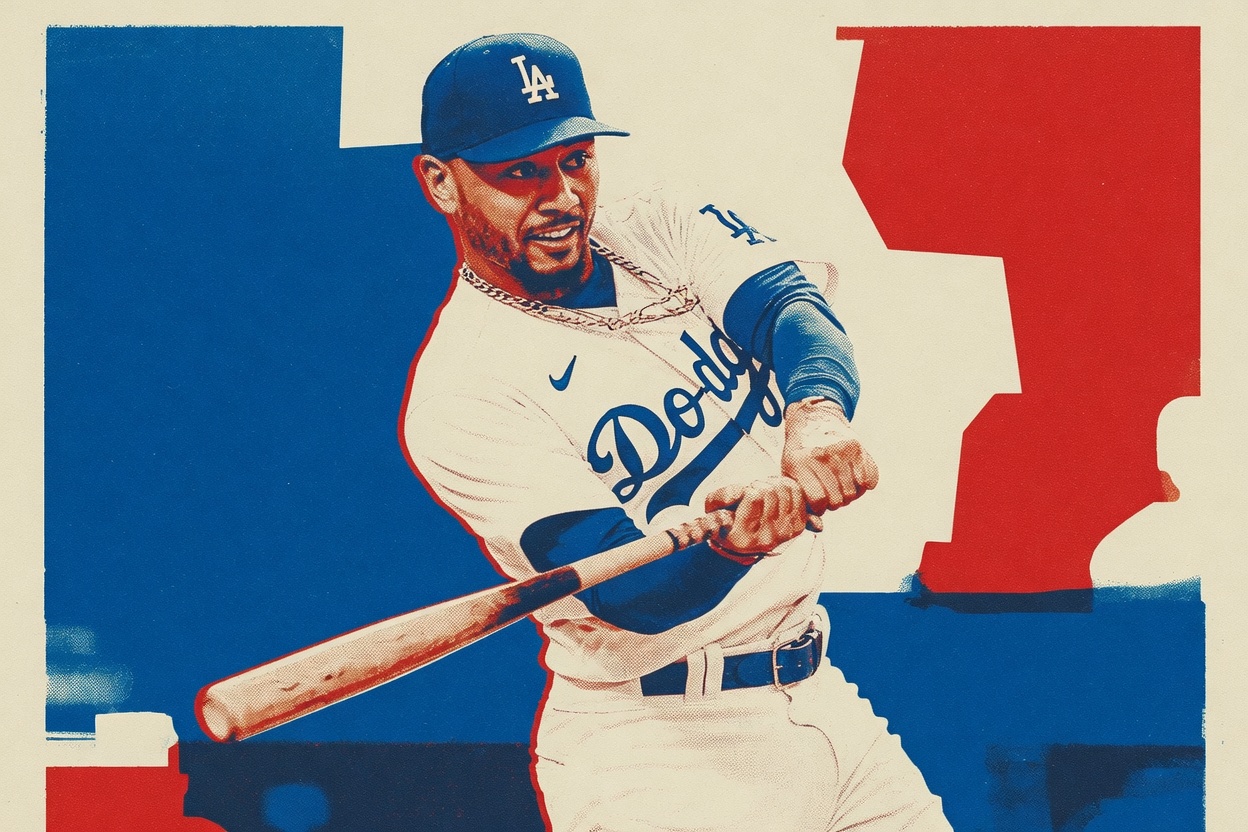
2011 can climb it. Gerrit Cole, Francisco Lindor and Mookie Betts all came out of that draft, and the class keeps paying out from rounds where most teams were just filling out their farm systems. Its strength is the depth: players nobody circled on draft night who turned into stars anyway. That's the kind of class whose total keeps ticking up while the old guard sits frozen in the record book. 1985's number is finished. 2011's is still being written. Give it enough healthy seasons and the math gets there.
Which is the whole problem with the deadline. "Enough healthy seasons" is doing an enormous amount of lifting in a sentence being sold as a sure thing. Nobody knows what the next two years of baseball look like for these guys. Careers bend. Pitchers blow out. A projection that depends on everyone staying productive on schedule isn't a foregone conclusion, and treating it like one cheapens a genuinely great story.
Comparing a class that's still active to one retired for decades is slippery by nature, too. The modern game tracks every fraction of a win, and recent classes get a longer, louder measuring stick than the guys from the Reagan administration ever did. 2011 is still real. The clean little countdown number is just flattering itself.
Take the real version instead, which is better anyway: 2011 is the deepest, most valuable draft the sport has produced since 1985, and it has a credible path to the top of the list. That's a huge claim, and it holds up. The part that doesn't hold up is the one everyone keeps repeating. If you're going to crown a draft on a specific date with a specific margin, show the ledger. Right now there isn't one.
Celebrate the class. Just stop reading a date off a clock somebody drew by hand.