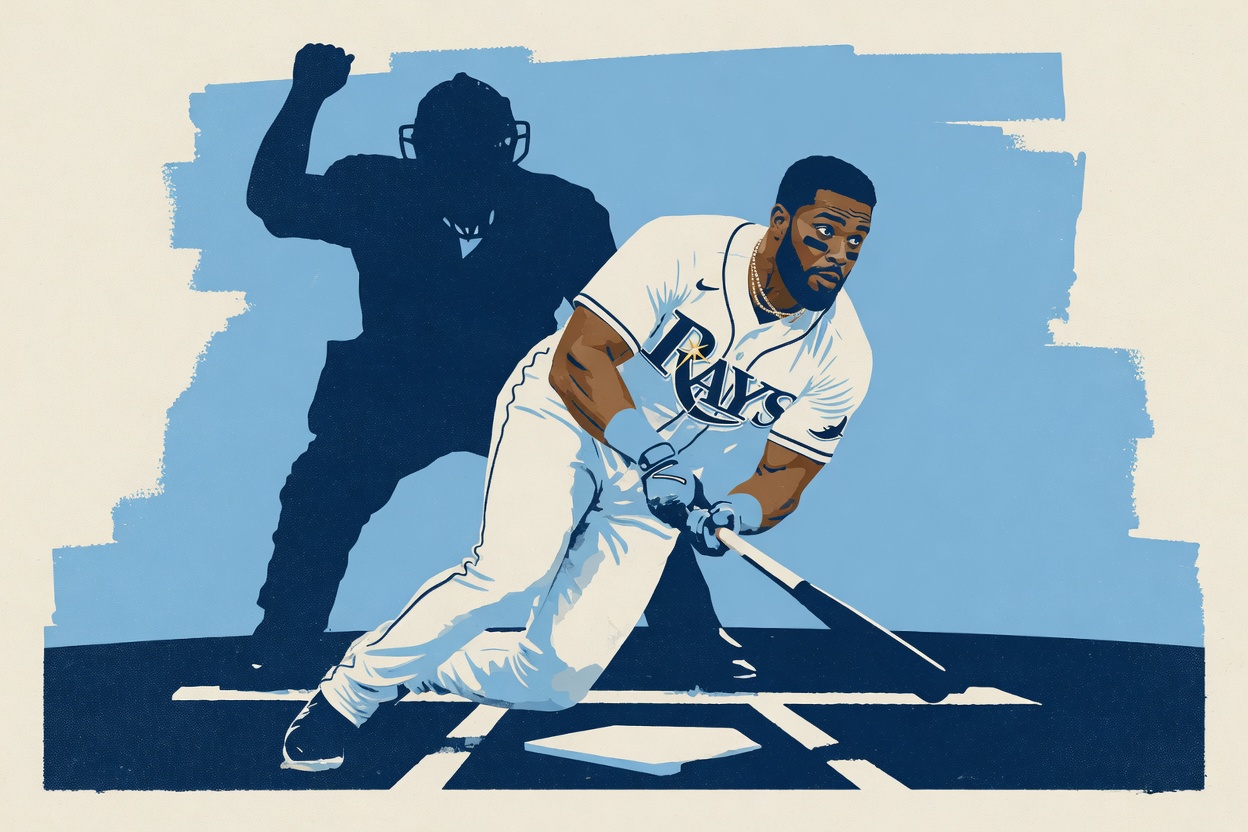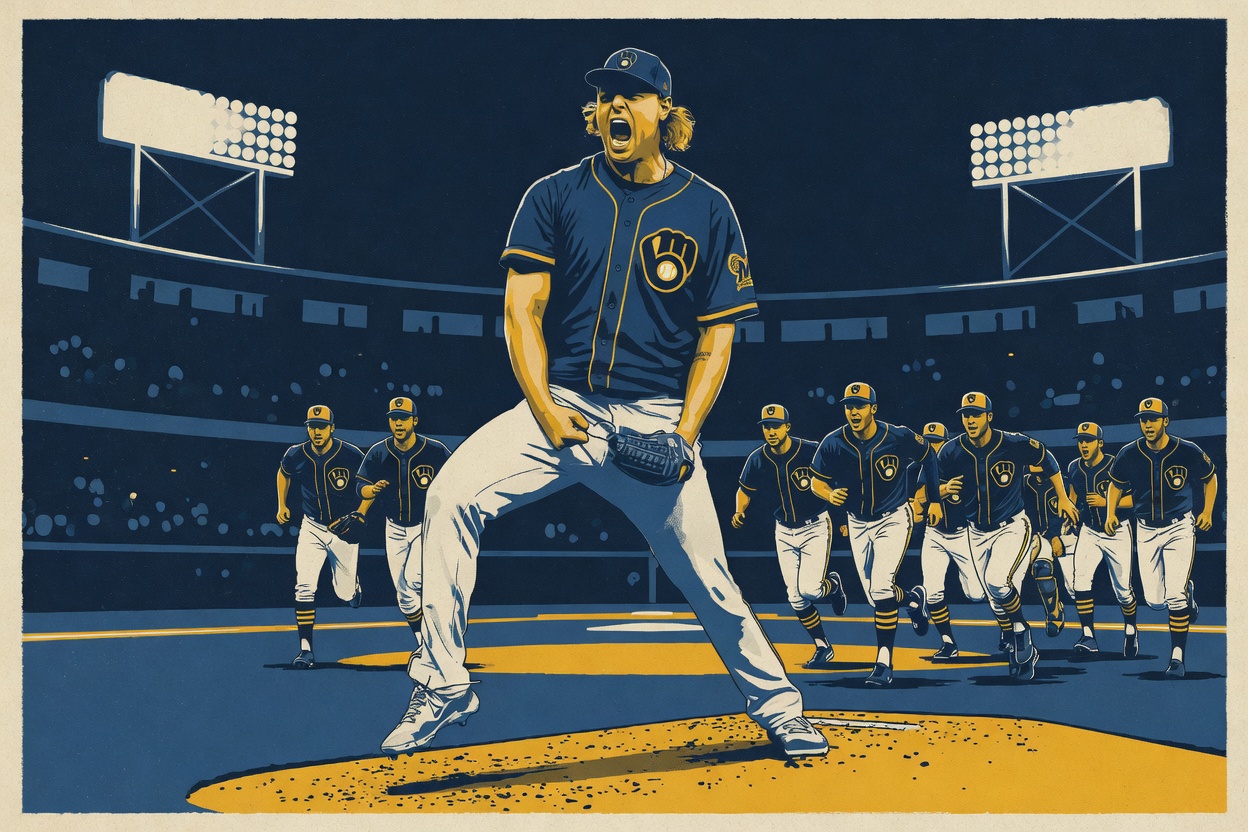

The teams that wait for the last hour of this trade deadline are going to be picking through leftovers.
Boston and Washington just showed why. Late Saturday night, closing in on midnight, the Red Sox agreed to send left-hander Connelly Early to the Nationals for infielder Curtis Mead. A clean one-for-one, finalized early Sunday morning. It was the first significant trade of deadline season, and the deadline itself doesn't hit until Monday, Aug. 3 at 6 p.m. ET.
That leaves nearly a week of runway, and two clubs already pulled the trigger on a swap of young, controllable big leaguers. That's not how these things usually go. Usually everybody circles each other, bluffs, waits for the other guy to blink, until the final 48 hours turn into a panic auction. This deal moved before the market even warmed up, and it worked for both sides.
Washington got a controllable arm for a rotation that's needed one all year. The Nationals have been hovering around .500, within a couple games of a playoff spot at the time of the trade, riding a loud offense that a thin rotation keeps undercutting. Early is 24, throws five pitches, and carries a mid-3.00s ERA over roughly his first 17 to 21 major league starts. There's real risk attached: at the time of the trade he was on the injured list with elbow issues. Doctors didn't see structural damage, and he'd resumed throwing off a mound, but that's still the gamble Washington took. They took it now instead of waiting for a cleaner picture that might never arrive once other teams start bidding.
Look at how Washington got here in the first place. Mead was a throwaway. The White Sox designated him for assignment out of spring training, and three days later Washington grabbed him for a catching prospect who wasn't even in their top 30. He turned into their everyday third baseman, hitting around .254/.352/.500 with 17 home runs across 87 games by the time of the trade. Turning a DFA afterthought into a controllable big-league starter in a few months tells you a front office knows what it wants and doesn't sit on it. Paul Toboni, who runs Washington's baseball operations, came up through the Red Sox system, and this isn't even the first deal between these two clubs recently. They swapped Jake Bennett for Luis Perales back in December. Familiar partners move faster.
Boston got the bat it needed. The Red Sox held the final AL Wild Card spot at the time of the trade and had ridden a 15-game winning streak earlier in the month, but pitching carried that run, not the lineup. So they sold from a position of surplus. Bennett's emergence, plus a growing stack of left-handed starters, made Early expendable, and Boston knew it. They'd floated him in trade talks over the winter already. When the fit lined up, they didn't hesitate.
Even Nationals manager Blake Butera admitted the player wasn't officially for sale. "We were not shopping him by any means," Butera said. "But [he's] a good player, a good right-handed hitter and that's what Boston was seeking, so we felt like we shot high." Boston showed up early with a specific target and pried loose a guy who technically wasn't on the market.
This matters for everyone else watching from the sidelines. When the first domino falls this early, it resets the whole market. Clubs still monitoring the situation are now negotiating against a comp that already exists, against sellers who know their controllable pieces have real demand. Washington has already signaled it isn't finished, reportedly willing to listen on All-Star shortstop CJ Abrams, though that's still rumor stage. Sellers who move now get to pick their buyers, and buyers who move now get to pick their players. Everyone else picks through what's left.
The best value at this deadline just got claimed, days before the buzzer. If your team is still building relationships and doing its due diligence come the weekend, don't be surprised when the only names left are the ones nobody else wanted.