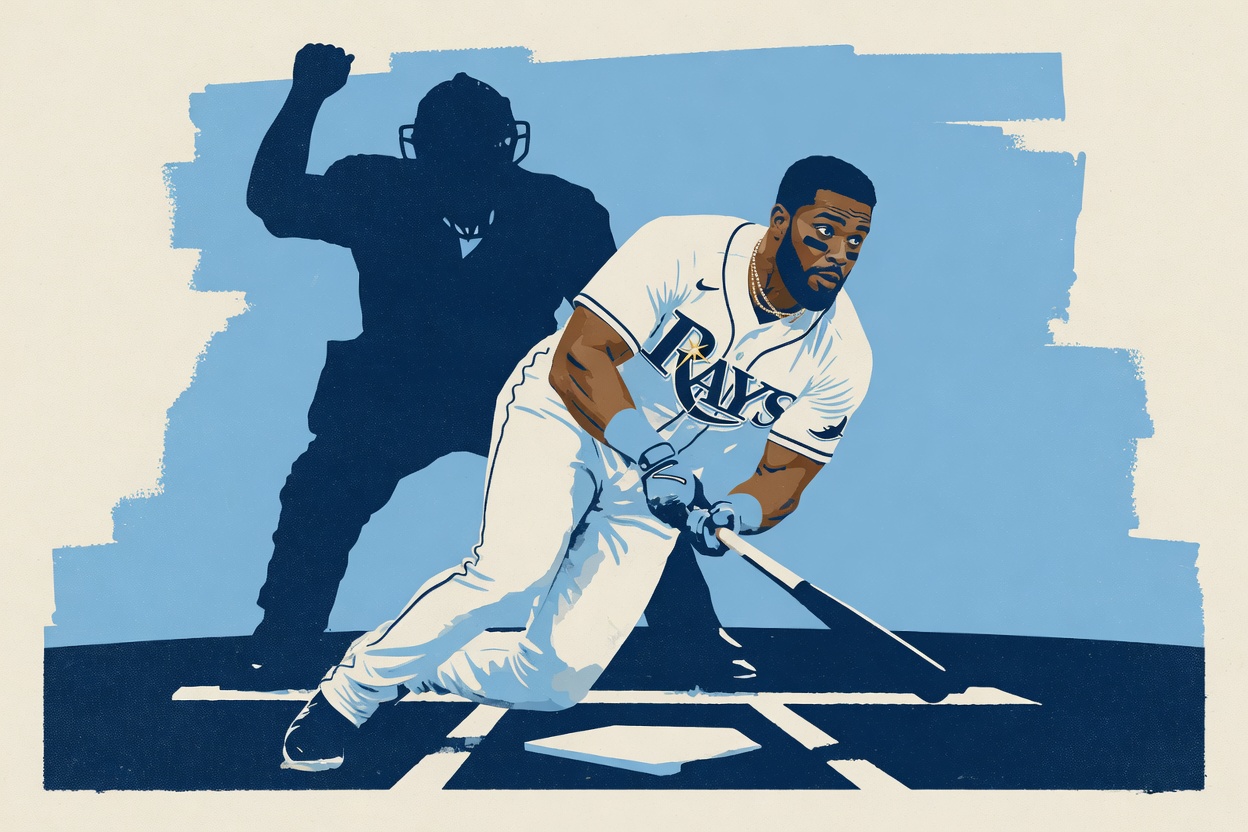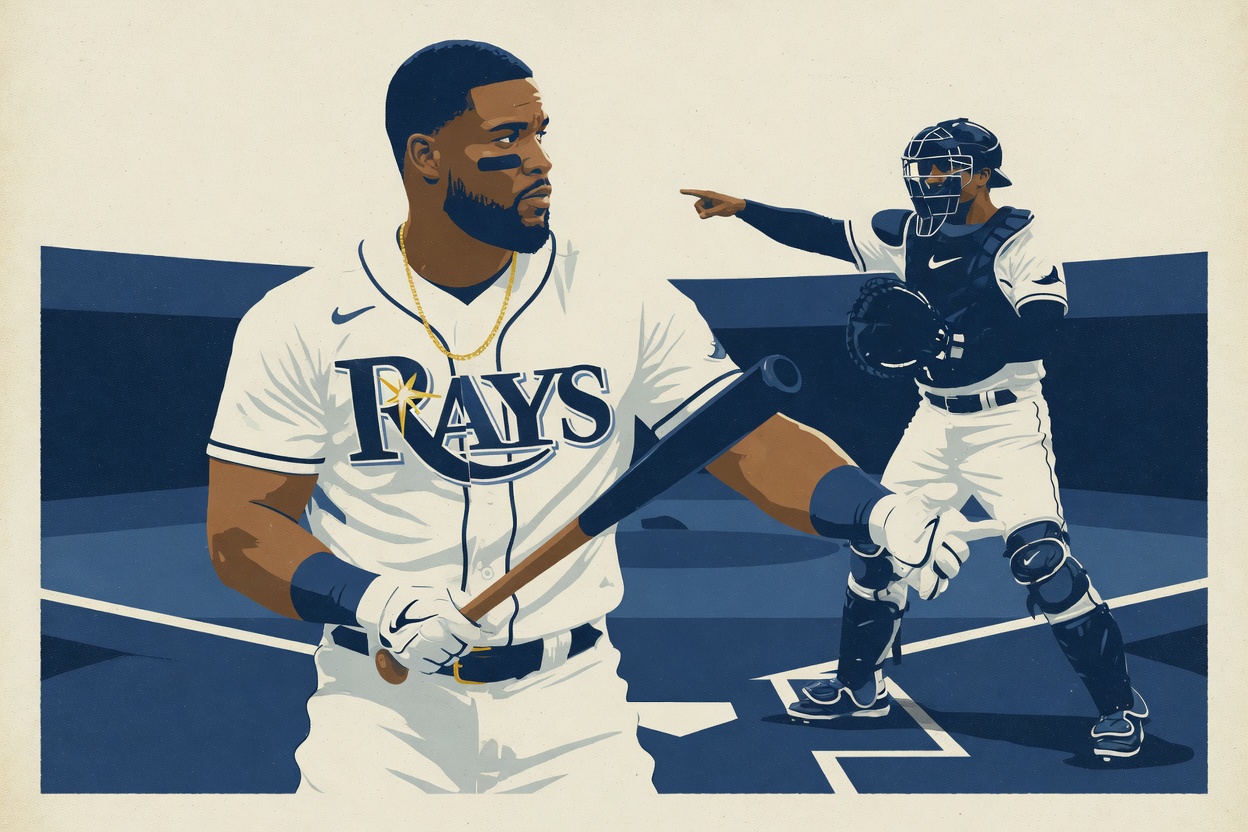
Stop arguing about whether Yandy Diaz swung. You'll never win that fight, because nobody can. The hitter disagreed in the moment and shrugged it off the next day. His manager, watching from his own dugout angle, thought he went. The Fox broadcast crew split right down the middle. If the guy holding the bat, the manager who coaches him, and a booth full of professionals watching it in slow motion can't agree, you staring at a phone replay aren't the tiebreaker.
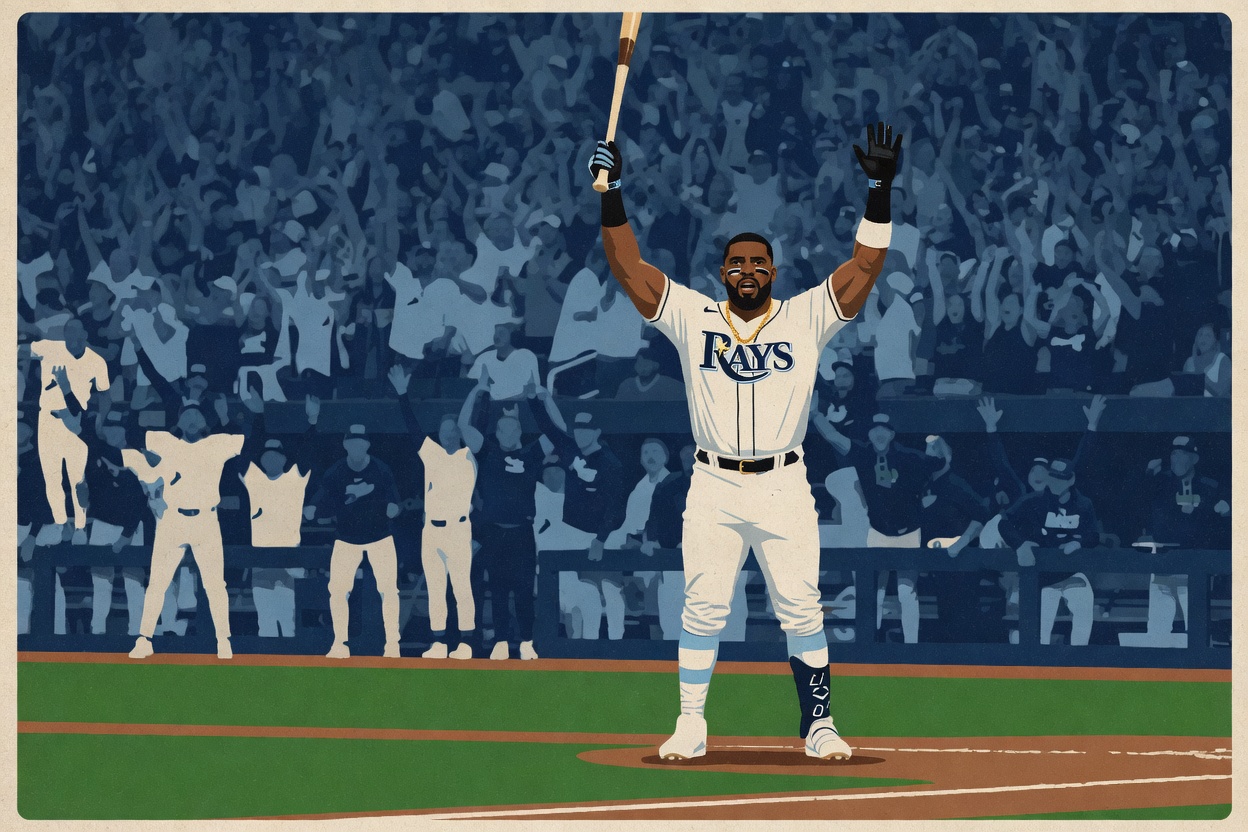
Here's what happened. The Brewers led 5-4 in the top of the ninth of Game 2, Jonny DeLuca standing on third with two outs after a leadoff double off Aaron Ashby and a groundout. On a 3-2 curveball that would have been ball four, Diaz tried to hold up. Home plate umpire Jim Wolf said he didn't go. William Contreras appealed to first base, the first base umpire said he did, and the game was over. Milwaukee won 5-4 to take a 2-0 series lead, with the series now heading to Tampa Bay for Game 3.
The swing is a coin flip. The coin flip is the scandal.
 TB97-63

Think about what MLB did this October. The league proudly rolled out automated ball-strike challenges, the whole pitch of which is that human eyes aren't good enough to settle the closest calls on the sport's biggest stage. Joe Davis said it on the air during the replay: "We got ABS for the first time this year, getting the balls and strikes right. We need to get a system that can get [checked swings] right." He's right. The league already admitted the premise. It just decided one half of the problem was worth fixing and the other half wasn't.
The other half has an answer too. The rulebook has never defined a swing. There's no plane rule or wrist rule, no 45-degree threshold written into the law of the game. The umpire gets handed a vacuum and told to fill it with his own judgment. Everyone yelling that Diaz "clearly broke the plane" is citing a standard that doesn't exist in the book. MLB knows this. It's spent two years piloting a Hawk-Eye check-swing challenge in the minors, in the Arizona Fall League and then Single-A, using the same 45-degree threshold fans throw around like it's gospel. The league built the technology, then left it hundreds of miles from the World Series while bragging about the robot strike zone next door.
So don't aim your anger at the first base umpire. His call was defensible. It was backed by Kevin Cash's own look at it and by half the Fox booth, and he made it with one angle and no camera, which is all the sport ever gave him. Blaming him for the system is like yelling at the guy who flipped the coin because you didn't like the side it landed on.
The Rays don't get to hide behind the call either. They scored four runs in the first inning and then went quiet for eight. Sal Frelick tied it with his first home run in three months, Cooper Pratt singled them ahead in the seventh, and Tampa Bay watched a 4-0 lead evaporate three innings before Diaz ever stepped in. A team that gives away that many outs doesn't get to pin the whole night on one check swing. The call was the gut punch at the end, but the eight scoreless innings before it are why they're down 2-0.
Notice the contrast with the night before. Game 1 also ended on a controversy, when a game-ending double play got overturned because Pratt's foot came off second base. That was replay doing its job: a reviewable play, reviewed and corrected. Twenty-four hours later, a World Series game ended on the one kind of call the system refuses to touch. One night the camera decided; the next night it didn't.
The real anger should go somewhere else: a conference room decision to leave "did he go?" as a guess in October 2026, even while the league sells the public on how seriously it takes getting calls right. If balls and strikes are too important to leave to the human eye on the biggest stage, so is this. MLB decided otherwise, on purpose, and let the World Series pay for it.