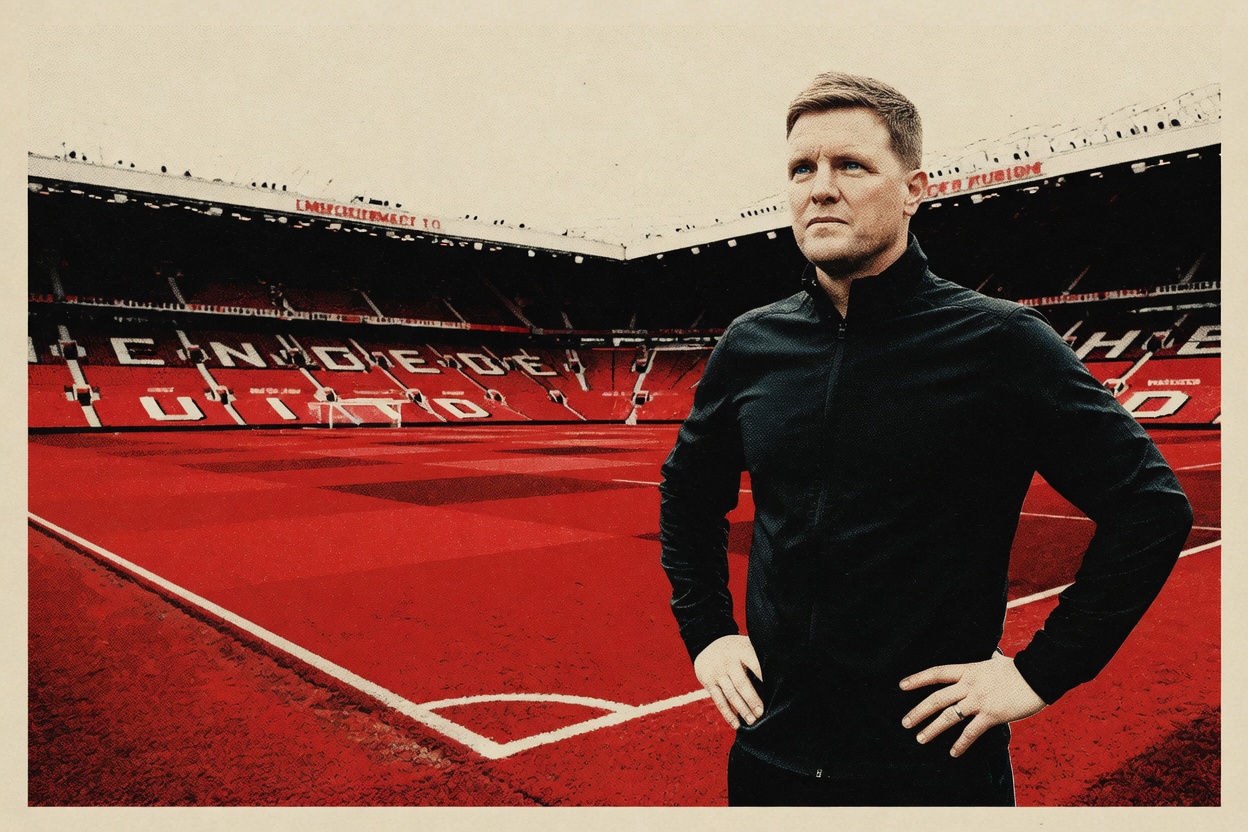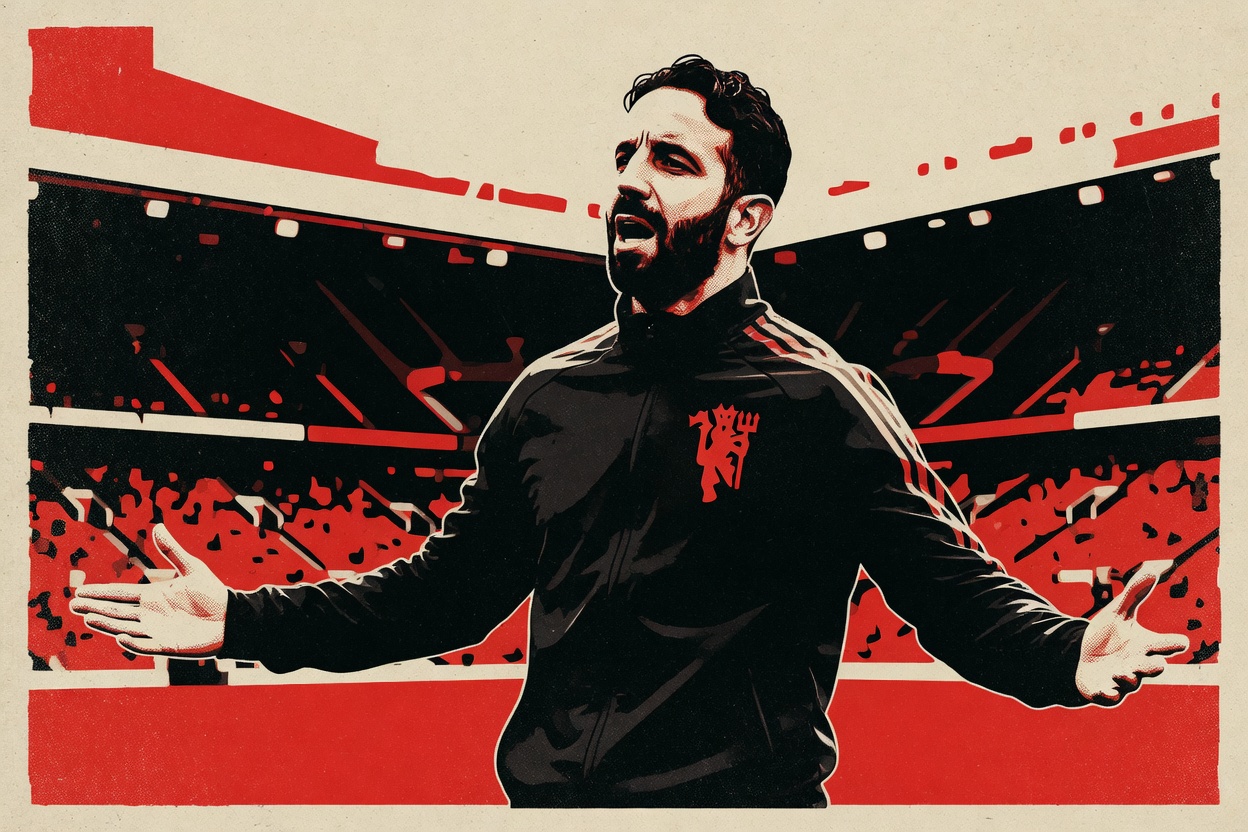
Here's the honest version of the Ruben Amorim revisionism doing the rounds: he was right about the club, and he was still a bad manager. Both things are true at once, and the people now fitting him for a prophet's robe are hoping you'll forget the second part.
Start with what holds up. Amorim spent fourteen months complaining that Manchester United didn't know whether it wanted a manager or a head coach, that the recruitment was a committee job, that the people above him kept moving the furniture. The reporting backs him. There was a genuine power struggle between Amorim and the football leadership: chief executive Omar Berrada, director of football Jason Wilcox, and the recruitment side under them. The club backed him in the market with Benjamin Sesko, Bryan Mbeumo and Matheus Cunha, then undercut him in public within months. His last act was a 1-1 draw at Leeds and a press conference where he insisted he was the "manager," not just the head coach, and told the hierarchy to "do your jobs." He wasn't wrong that they weren't.
That's the ceiling of his vindication. Everything else is his.
Amorim left with the worst win rate of any permanent United manager in the Premier League era: roughly 38% across all competitions, 24 wins from 63 games. His first season produced United's worst-ever league finish and a Europa League final loss to Tottenham. When he was sacked on 5 January 2026, after fourteen months in charge, United sat sixth and seventeen points behind Arsenal, twenty games into the season. And in August 2025, a Premier League squad drew 2-2 with League Two Grimsby Town and then lost on penalties, knocked out of the Carabao Cup by a fourth-tier side.
You cannot hand a man retroactive credit for diagnosing a broken culture while his own team is losing a shootout to Grimsby. That result has nothing to do with Berrada's structure or Wilcox's transfer meetings. That's a coach failing to get a functional ninety minutes out of professionals against opposition three divisions below them. Recognising that a club is a mess and being able to coach are separate skills, and Amorim showed he had exactly one of them.
The defense worth taking seriously is that being right about United's rot and being a competent manager are two different things, so he can be both. He is both. But that cuts the legs out from under the "right all along" framing, because "right all along" smuggles in the idea that the losing wasn't really his fault. It was. A manager who goes the better part of a year without stringing together back-to-back league wins just couldn't build a repeatable pattern of form out of a very expensive squad. The boardroom didn't do that to him.
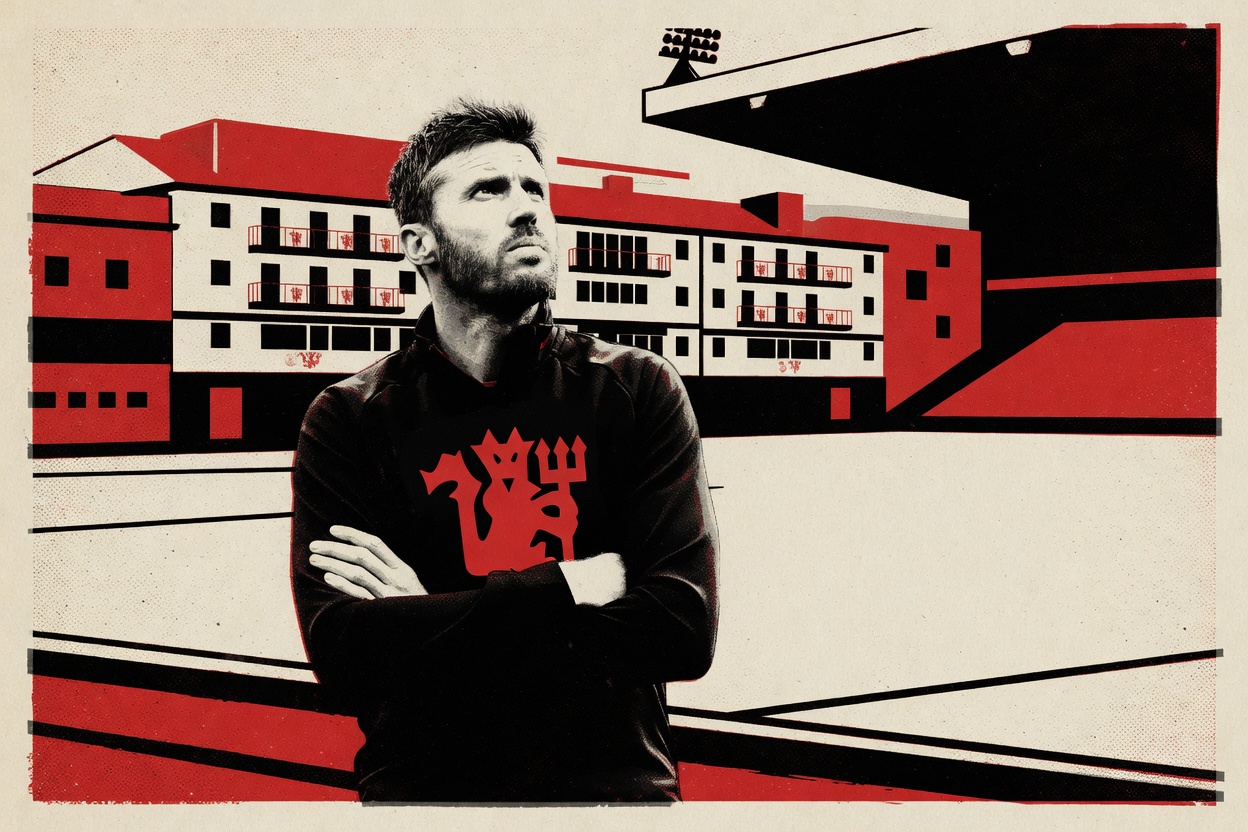
The rest falls on Ineos's football leadership. They let eleven months of losing slide, apparently content, and only moved once a press conference humiliated them into it. They built the kind of environment where a head coach spends like a manager and gets treated like a passenger. Michael Carrick, handed the job permanently from 13 January 2026, got an early bounce, and United are already circling the same questions about him. The dysfunction outlives any single tracksuit. That part of Amorim's complaint was real.
Amorim has rebuilt his name at AC Milan, unbeaten in his first seven Serie A matches so far, which the vindication crowd will wave around like a receipt. It proves he can coach in the right building. It proves nothing about whether he coached United well. He didn't.
He was a poor manager who happened to be shouting about some genuine problems on his way out the door. Call it what it is: a man who still lost to Grimsby.