Pick December 4, 2011 as the day college football started dying, and you've picked the easiest date to remember. The damage happened decades earlier.
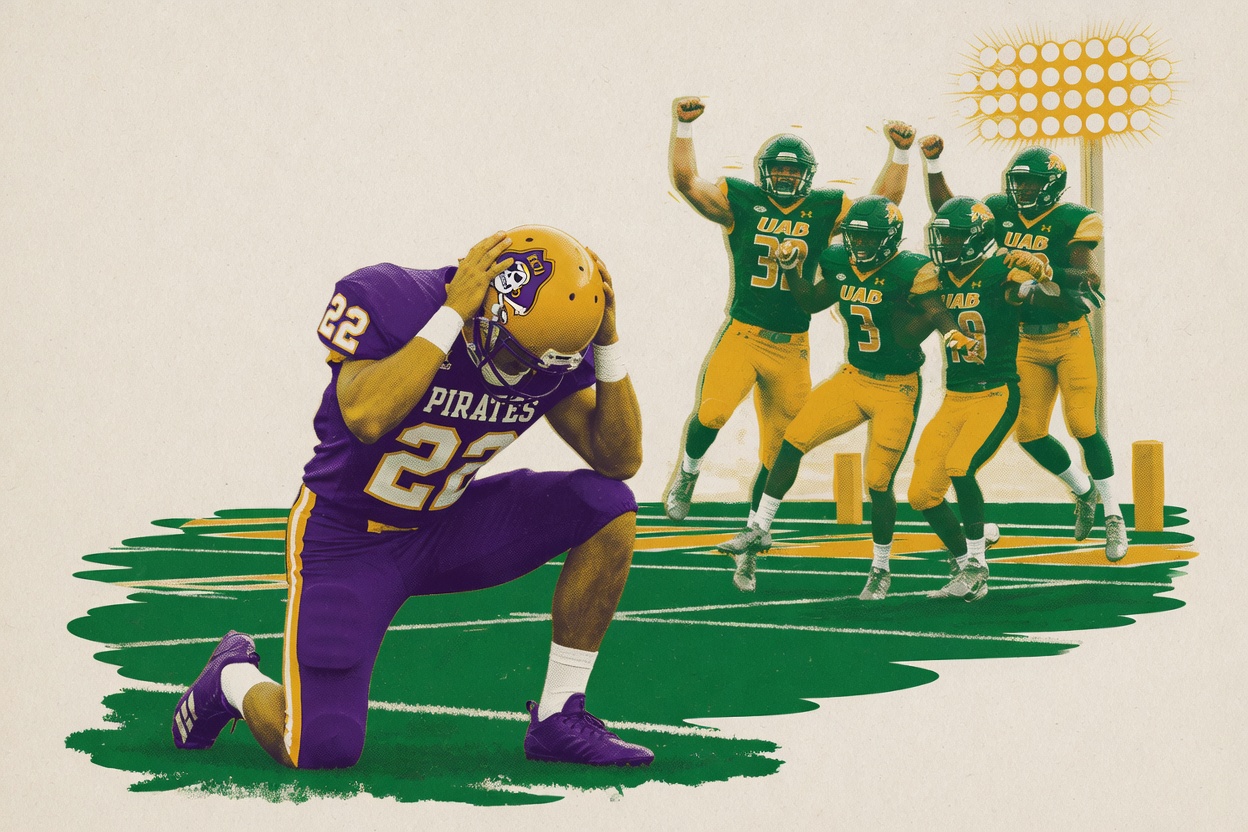
What happened that winter really was ugly. Oklahoma State sat at No. 2 in the BCS, 10-0, with a clear path to the title game. Then Iowa State beat them in double overtime, 37-31, on November 18. Alabama climbed back to second and never left, even after the Cowboys hammered Oklahoma 44-10 in Bedlam. The final margin in the BCS standings was microscopic: Alabama .9419, Oklahoma State .9333. The Cowboys actually finished ahead of Alabama in the computer polls. They lost it in the human polls, where several head coaches, Nick Saban included, used their Coaches Poll ballots to rank Oklahoma State fourth or worse. Then Alabama beat LSU 21-0 in a rematch nobody outside Tuscaloosa and Baton Rouge wanted to watch. Within days, the talk had turned to building a playoff.
So yes, 12-4-11 helped bury the BCS. The claim that it buried college football is where the argument falls apart.
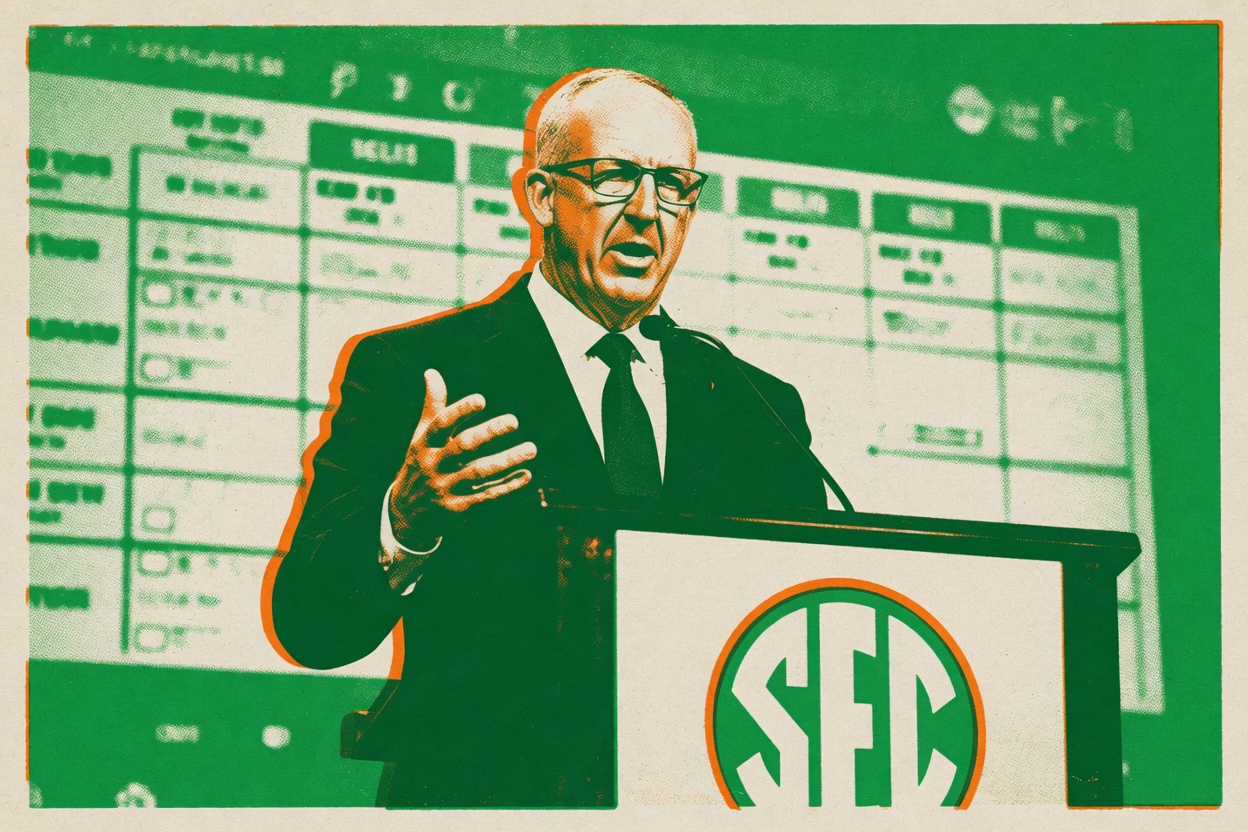
The real break happened in 1984, when the Supreme Court ruled in NCAA v. Board of Regents that the NCAA didn't control television contracts. The media rights belonged to the schools. Games on TV jumped from 89 the year before the decision to nearly 200 the year after. That's the moment the universities and their conferences became free agents chasing network money, and everything people hate now, the realignment, the super-conferences, traces straight back to that courtroom. One BCS formula spitting out a bad answer 27 years later had nothing to do with it.
Here's the irony: that same 1984 season, BYU went undefeated, beat Michigan 24-17 in the Holiday Bowl, and walked off with the consensus national championship. A school outside the power structure won the whole thing the same year the ruling made the power conferences rich. It's been almost impossible to repeat since.
The Oklahoma State injustice is a feature of the system. A playoff doesn't fix it either. In 2017, UCF went 13-0, beat Auburn 34-27 in the Peach Bowl, finished as the only undefeated team in the country, and the committee ranked them 12th and never gave them a sniff. Alabama lost to Auburn, skipped a division title and a conference title, got waved into the playoff anyway, and won it in overtime against Georgia. Saban's response to UCF's title claim sums up the whole system: "I guess anybody has the prerogative to claim anything. But self-proclaimed is not the same as actually earning it." Coming from the man whose team kept getting handed berths it hadn't earned on the field, that's audacious.
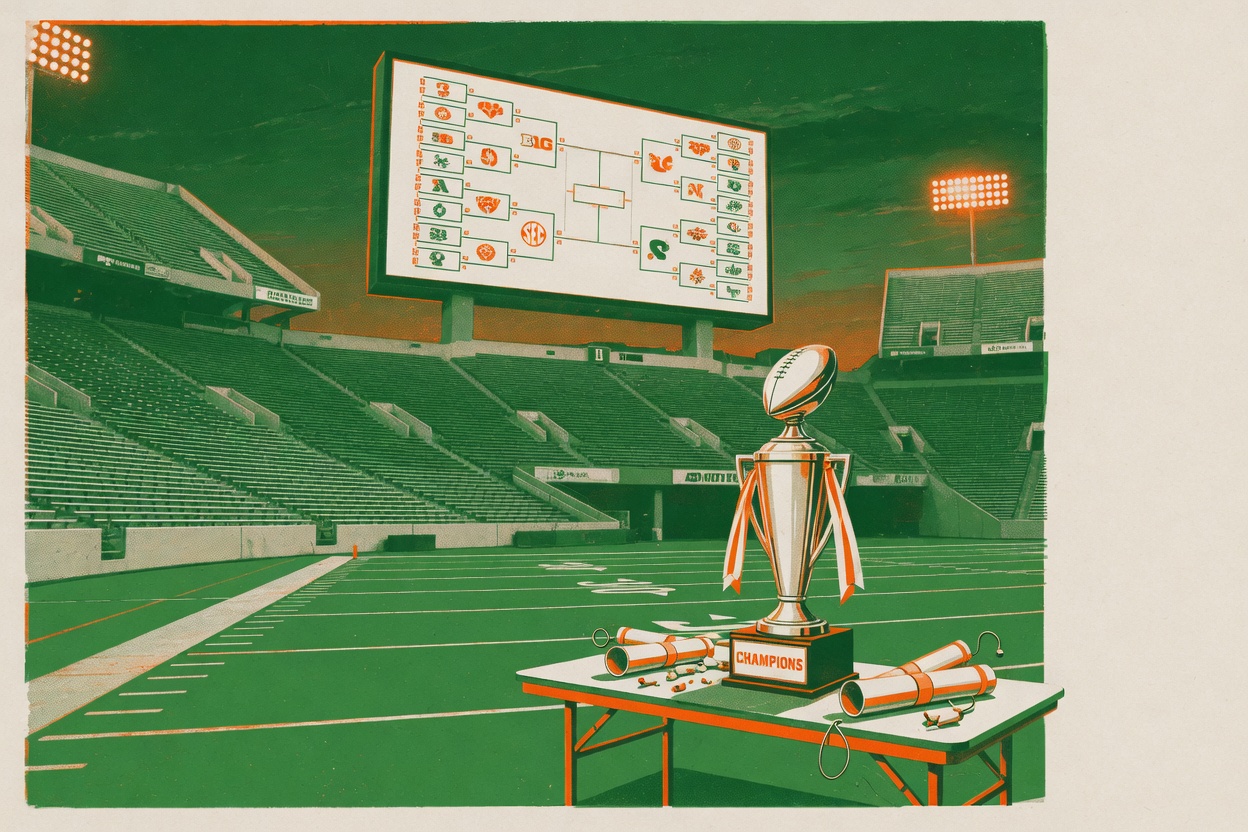
And it kept going. Last December, entering conference championship weekend, Alabama sat at No. 9 and Notre Dame at No. 10. With two at-large spots open, the committee took Alabama and Miami. Alabama got stomped 28-7 in the SEC title game and stayed at No. 9 anyway, then beat Oklahoma in the first round before losing to Indiana. Different format, same reflex.
BCS, four-team playoff, twelve-team playoff: the complaint stays the same because the cause never changed. Four decades ago the sport decided television money would set the terms. Results on the field came second, and it's been living with that choice ever since.
The people who want you fixated on 2011 are the ones who'd rather you not look at 1984. A courtroom sold college football back then, and the conferences and the networks have been cashing the check every year since.