Managers make cautious calls all the time. What they rarely have is a personal reason to know, in their own body, exactly why the cautious call matters. John Schneider does.
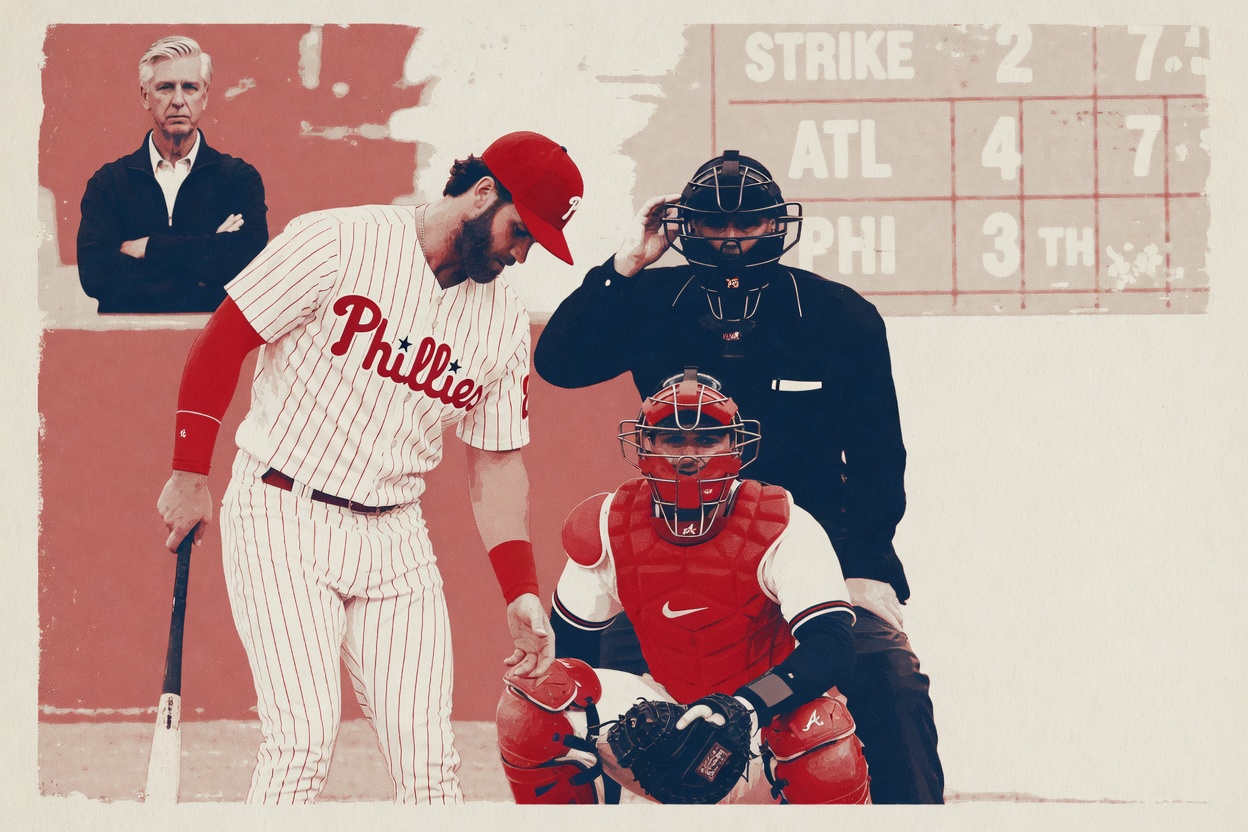
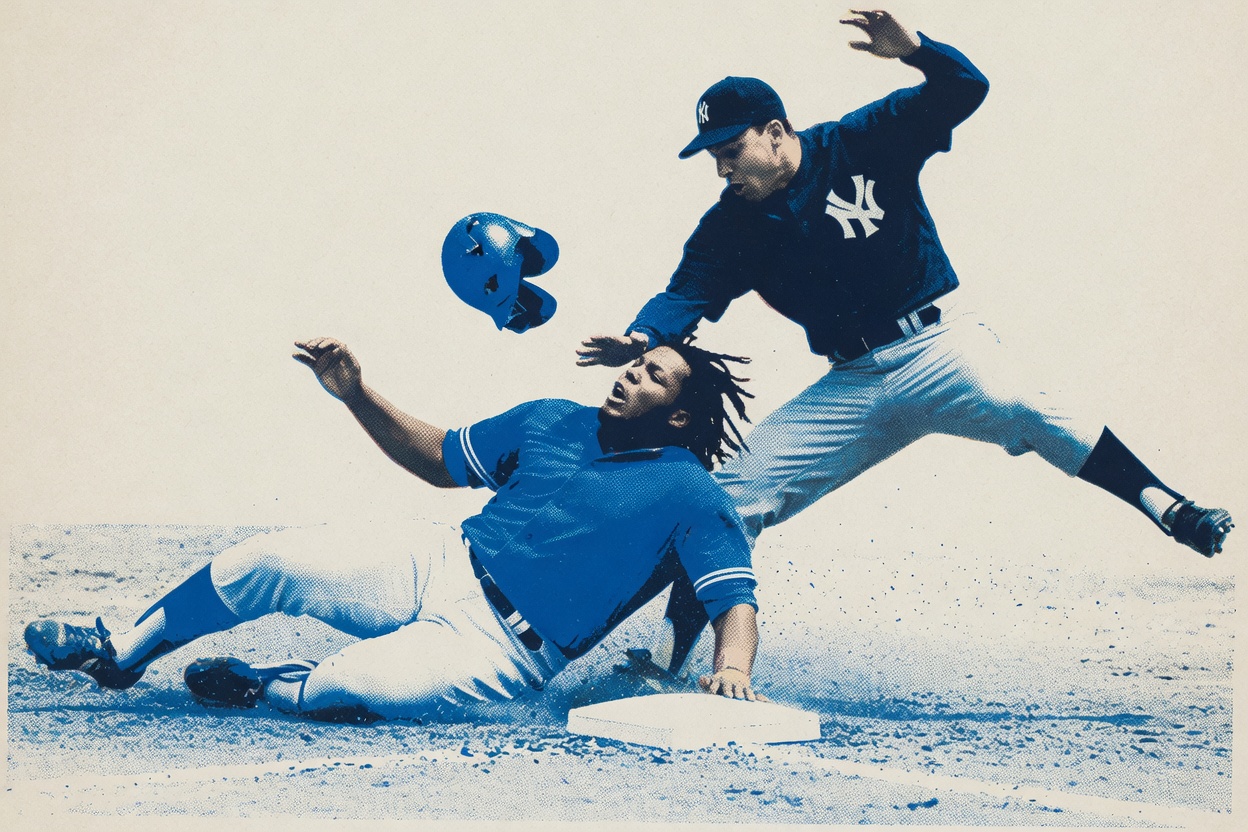
Friday night at Rogers Centre, in a 3-1 win over the Yankees, Vladimir Guerrero Jr. took a knee and a thigh to the head on one of those plays that looks scripted by chaos. George Springer bounced one to Ryan McMahon at third, McMahon stepped on the bag for the force, then fired to first, where Luis García Jr. couldn't handle the throw and lost his glove in the process. Guerrero broke for third. García's throw sailed toward rookie shortstop George Lombard Jr., who tried to leap the sliding Guerrero and instead landed on his head. The helmet came off. Guerrero got up, ran home to score the tying run, and looked dazed once he crossed the plate. He was replaced by Charles McAdoo at first base in the seventh and didn't return.
Schneider's word for it afterward was "precautionary." By Saturday, precaution had a roster line to go with it: Guerrero landed on the seven-day concussion IL, and the Blue Jays called up Daz Cameron from Triple-A Buffalo. He isn't expected back this week, and the team hasn't set a return date.
Schneider isn't guessing about how this goes. He caught for a living, took seven documented concussions during his own playing career, and walked away from the game in the spring of 2008 rather than risk an eighth. He described the endgame plainly: "I got to the point to where I was kind of diagnosing myself after foul balls. I would look at the scoreboard, and if it was blurry, I would just walk off the field. I've been through the wringer of concussion protocol. I'd probably fail one right now, to be honest with you." That's not a manager reciting a league memo. That's a man who paid the bill.
He's also managing a player whose head-injury history mirrors his own, and that overlap is what makes this whole situation feel less like routine caution than a manager recognizing himself. By the team's account, Guerrero had seven concussions diagnosed during his Minor League career and suspects there were a few more. He jokes about having a big head that makes him an easy target. Schneider, of all people, isn't going to treat that as a punchline. "I have a soft spot for it, definitely," he said, adding that a glancing blow can put a guy out for a while and a nasty-looking hit can leave a guy fine, and you never know which is which until it's too late.
Now add the incentive that usually wins these arguments. The Blue Jays, who spent much of the season hovering near the edge of playoff position, are suddenly alive: after Friday's win they sat 60-64, a game back of the final wild-card spot with 38 games to play, and by Aug. 18 the gap had shrunk to half a game entering a series with the Rays. Those numbers move by the hour, so treat them as a snapshot. The point stands: this is exactly the moment a front office starts doing math with a player's brain, weighing symptoms against games remaining.
And the tell is already in the coverage. Even sober analysis of Toronto's chances is framing Guerrero's recovery as a countdown: how fast can they get him back for the race. You can see the logic building on its own. Toronto has been near the bottom of the majors in runs, and Guerrero's slump is a big reason why. He's batting .263 with seven homers, 46 RBIs, and a career-low .693 OPS, with a barrel rate below league average for the first time since his 2019 rookie year. He hadn't homered at Rogers Centre all season; every one of his home runs had come on the road. A team that can't score wants its franchise bat in the box for a stretch run. That's just gravity, not villainy.
My problem is with letting that gravity decide head-injury cases, and it's the case Schneider is quietly making just by doing the opposite. A slumping star is more expendable in the box score and more precious everywhere else. You don't rush a man back into a pennant chase on a half-cleared concussion because you're desperate for offense he might not even provide yet. If anything, a player already fighting his swing is the last one who should be out there trying to time a slider with a fogged-up head.
What makes the Toronto call unusual is that Guerrero doesn't miss games. This is his first IL stint since a knee injury in Double-A back in 2018. From 2020 through 2025 he missed 18 games total, and Saturday was only his 10th absence this season. So when Schneider says the symptoms "checked enough boxes," that's a boss who knows the warning signs firsthand, from blowing through his own, pulling a guy who almost never sits.
Guerrero, for what it's worth, hated it. Schneider said he was frustrated he wasn't out there, which is exactly as it should be. The whole point of concussion protocol is that the player is the least reliable judge of whether the player is okay. Doctors, and a manager with scar tissue, exist to overrule the competitor in the moment he'd talk himself back onto the field.
This isn't a column looking to bury the Blue Jays. Toronto is the standard here, and the real question is why it takes a manager with seven concussions of his own to reliably reach it. The next time a contender in a tight race brings a star back from a head knock at a suspiciously convenient hour, the burden of proof should sit squarely on the team. Schneider showed what it looks like when the medicine outranks the standings. He shouldn't be the exception. He should be the floor.