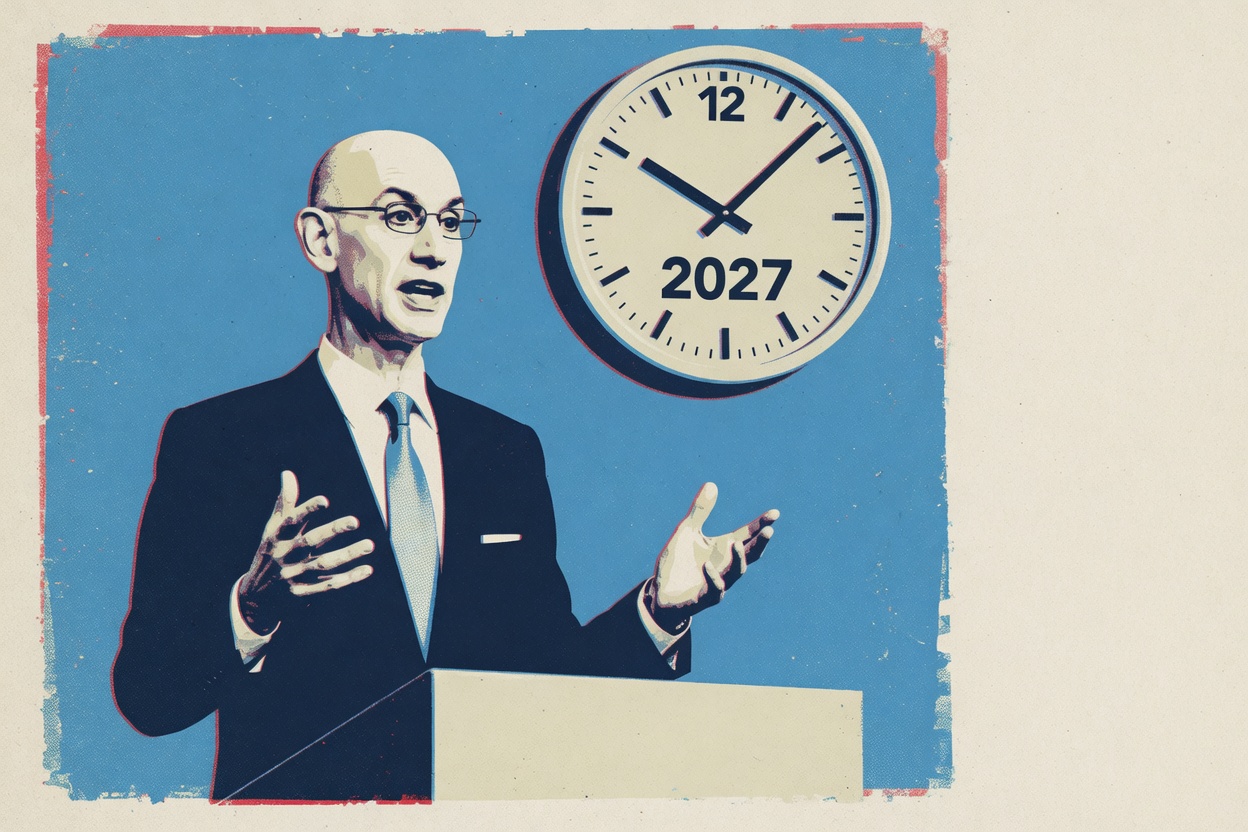
Adam Silver told everyone, more than once, that this would be over soon.
Back in June, at the Finals, he said the case was "close to the point now where I think we need to wrap this up." In July, after the Board of Governors met in Las Vegas, he doubled down. He was "hopeful" the Kawhi Leonard investigation would conclude "this summer," and he drew a line: "This [investigation] needs to be wrapped up before the beginning of next season."
Then ESPN reported on July 29 that the league's investigation into whether the Clippers circumvented the salary cap to pay Leonard could drag into 2027 if the sides can't agree on the findings or on any settlement that involves punishing the team. That's less a firm deadline than a worst-case scenario tied to arbitration, and so far no rival outlet has matched it with its own reporting. Still, it's a real possibility, and it lands nowhere close to "this summer."
So was it naivety, or spin? My read, and it's a read, not a fact: Silver either genuinely believed a case this tangled could close on a summer schedule, which would be a striking misjudgment for the man running the league, or he knew the timeline was soft and sold the comforting version anyway. Neither looks good. He never framed "this summer" as a binding promise, and that's his out. But he said it with enough confidence that fans reasonably heard it as one.
There's a nuance worth respecting here. Reporting from The Athletic's Mike Vorkunov suggests the fact-finding phase may already be done, with the league now sorting through what the law firm it hired, Wachtell Lipton, actually found. If that's right, the delay dragging toward 2027 isn't the digging. It's the fight over whether there's a punishment and how big it should be. That distinction matters. But it cuts against Silver's confidence, not for it. If the evidence were clean and the path obvious, nobody would be staring down arbitration that could stretch past this calendar year.
Give the league its due, too. Silver blamed the long runway on legal complications, "dealing with bankruptcy courts and reluctant witnesses," and those are real obstacles, not excuses invented on the spot. People who've worked with him for years say he won't be moved by public pressure in either direction. One framing is hard to argue with: if the league ignores evidence against the Clippers, the cover-up becomes the story. If it swings without evidence, the overreach becomes the story. Silver is boxed in by due process, and rushing a case that could void contracts or strip draft picks would be its own kind of malpractice. Freezing the Leonard-to-Toronto trade was the right call. You don't clear a superstar deal while the process that produced the superstar is still under a microscope.
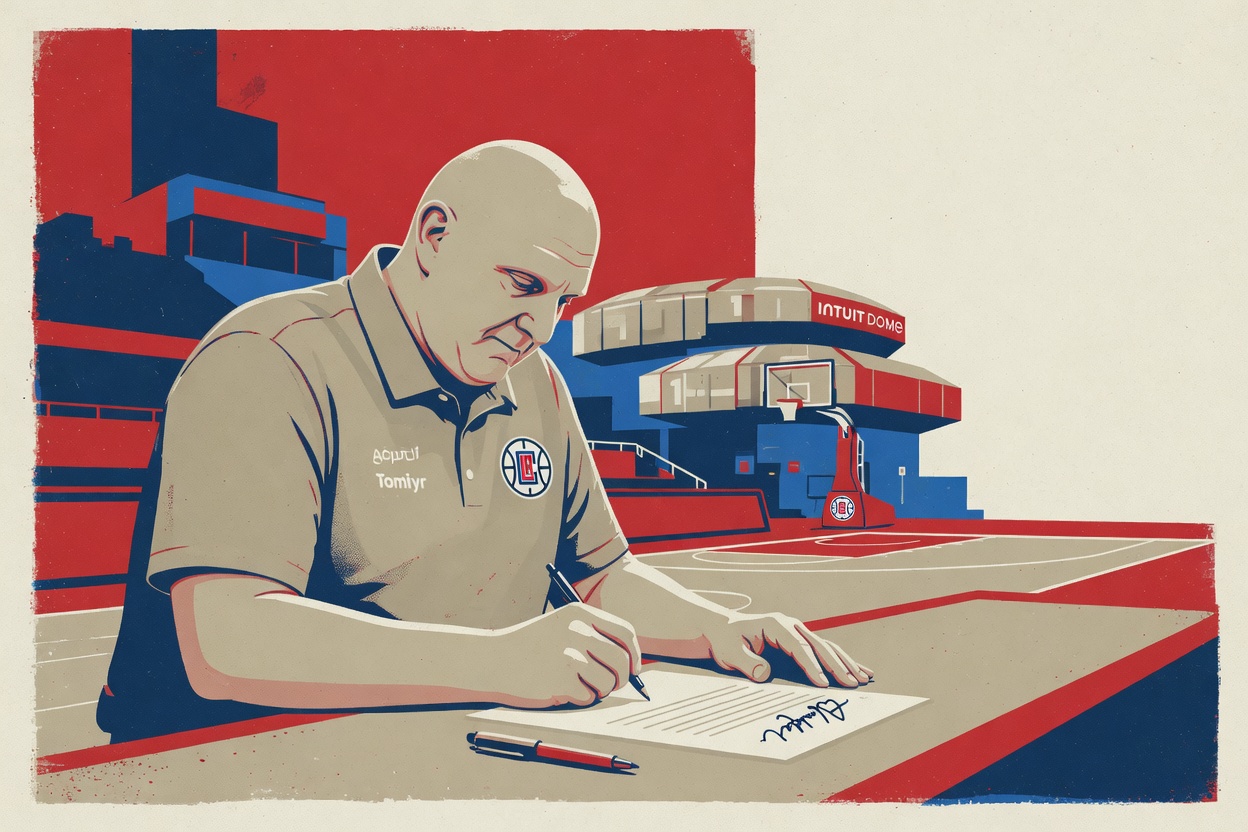
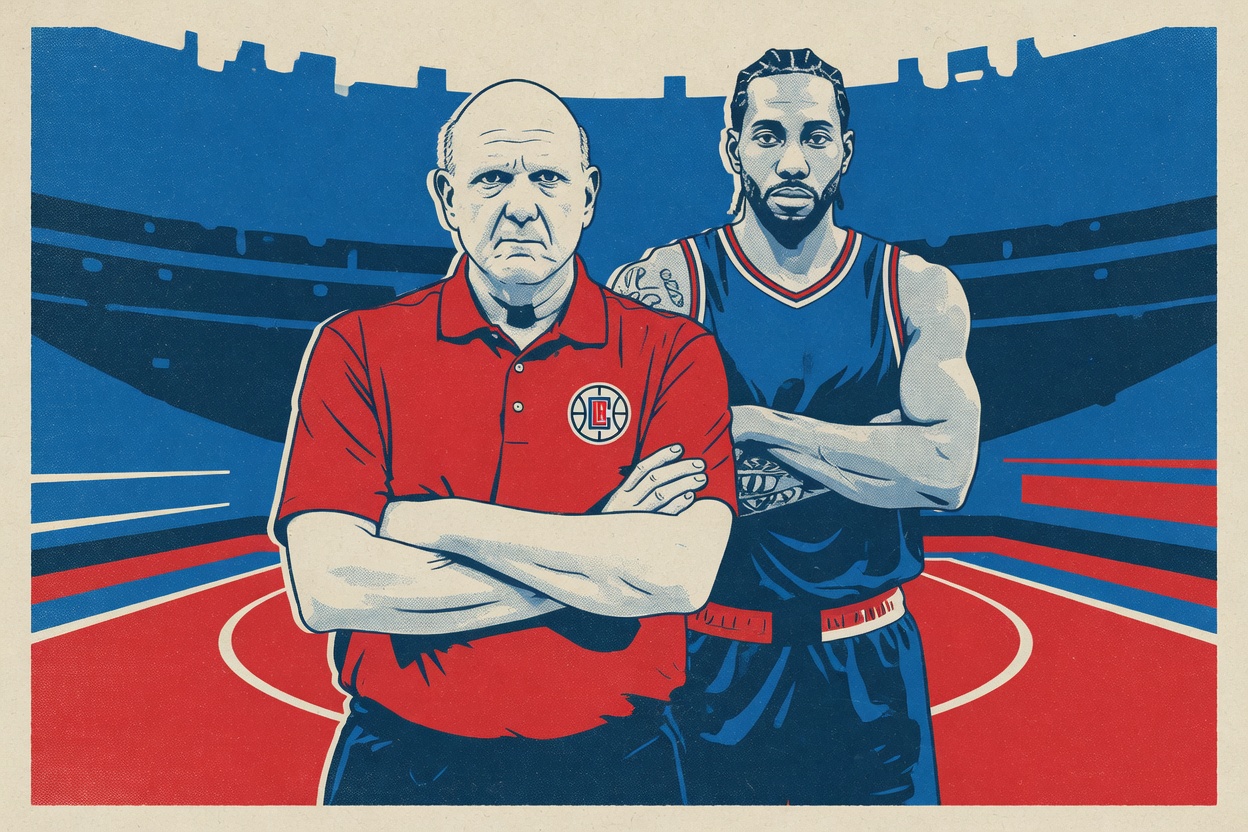
But none of that gets the league off the hook on the thing that actually matters: trust. The investigation opened nearly 10 months ago, back in September, after a report alleged Leonard signed a no-show endorsement deal. The allegation is that the Clippers routed money to Leonard through a roughly $28 million endorsement deal he signed in 2022 with Aspiration, a green-banking company that also had a 23-year, $300 million endorsement arrangement with the team before collapsing into bankruptcy. Steve Ballmer, per multiple outlets, personally invested somewhere between $50 and $60 million in the company. The scope has since widened to a possible second undisclosed endorsement deal and unreimbursed expenses.
That's the shape of a serious cap-circumvention case. And the longer it sits unresolved, the more it tells every other owner exactly how much friction a big-market team with a billionaire owner can generate before the league actually does anything about it. The Clippers have denied everything. "Neither the Clippers nor Steve Ballmer circumvented the salary cap," the team said, and a source close to them says they'd "fight that to the end," arbitration included. The players' union isn't backing down either. Its executive director, David Kelly, told reporters in July that he didn't see a "there, there" in the compensation claim, though the union would be defending Leonard in any arbitration, so that's advocacy, not a neutral finding.
Everybody's lawyered up, and nobody's budging. That's exactly why "hopeful by end of summer" was always a hard sell, and why the 2027 possibility, hedged as it is, feels less like a shock than the truth catching up with the optimism.
The stakes are real, not abstract. The Clippers agreed on June 30 to send Leonard back to Toronto for Brandon Ingram, Gradey Dick, and unprotected first-round picks in 2031 and 2033, then both sides put the deal on hold when the league told the Raptors they'd assume the risk of any punishment tied to Leonard. Silver has said a trade wouldn't shield Leonard from a penalty if one's coming. So the deal stays frozen. If this really slides into 2027, you've got a completed trade agreement gathering dust for the better part of a year, with two teams stuck waiting on a verdict the commissioner told them was nearly in hand.
The penalties on the table under the CBA aren't trivia: fines up to $7.5 million, forfeited draft picks, voided contracts, suspensions of up to a year for team personnel. Punishment that heavy demands a careful process, but you can't hold both things at once, a case grave enough to justify years of scrutiny and a commissioner promising it'll all be tidied up before tip-off. One of those was going to give, and it did.
If the NBA wants anyone to believe it polices its biggest teams as hard as it polices its smallest ones, the answer to this can't keep living in the phrase "we're hopeful."