Between September 2 and September 13, the facts didn't change. Steve Ballmer's appetite for a fight did.
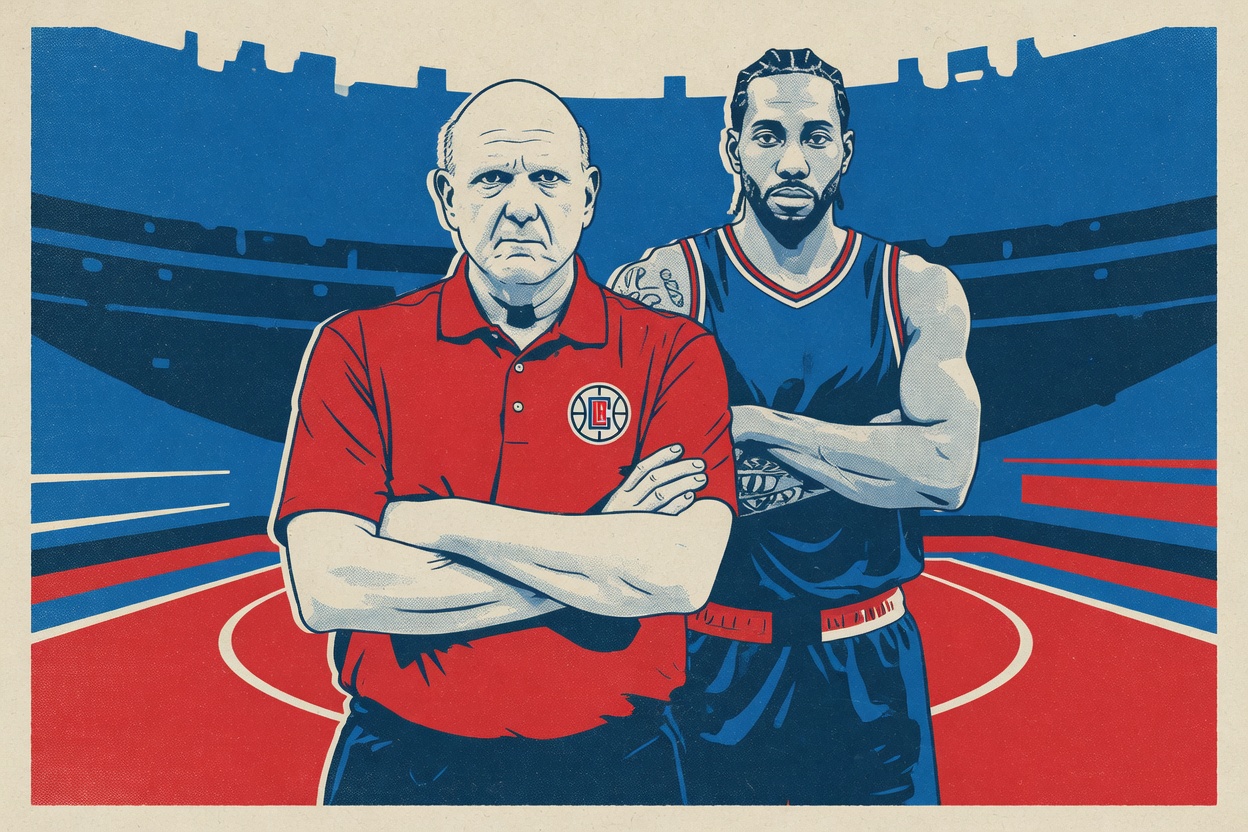
On September 2 the NBA and the players' union announced their punishment for the Clippers' salary-cap circumvention: five forfeited first-round picks, one in each draft from 2029 through 2033, a $30 million fine, a one-year suspension for Ballmer, and a five-year compliance and monitoring program. Lawrence Frank was suspended six months without pay. Gillian Zucker got a year, accused of giving false statements to investigators. Kawhi Leonard was fined $700,000, and his former business manager Dennis Robertson was banned from NBA business for five years.
The Clippers didn't blink. They came out throwing haymakers, calling the findings the product of "a heavily biased investigation seeking to justify a predetermined narrative rather than facts and evidence." Within days the team was reportedly weighing a lawsuit and even a restraining order against the league. Ballmer's attorney David Kelley fired off a letter to Adam Silver calling the whole thing a "witch hunt" and a "gross injustice."
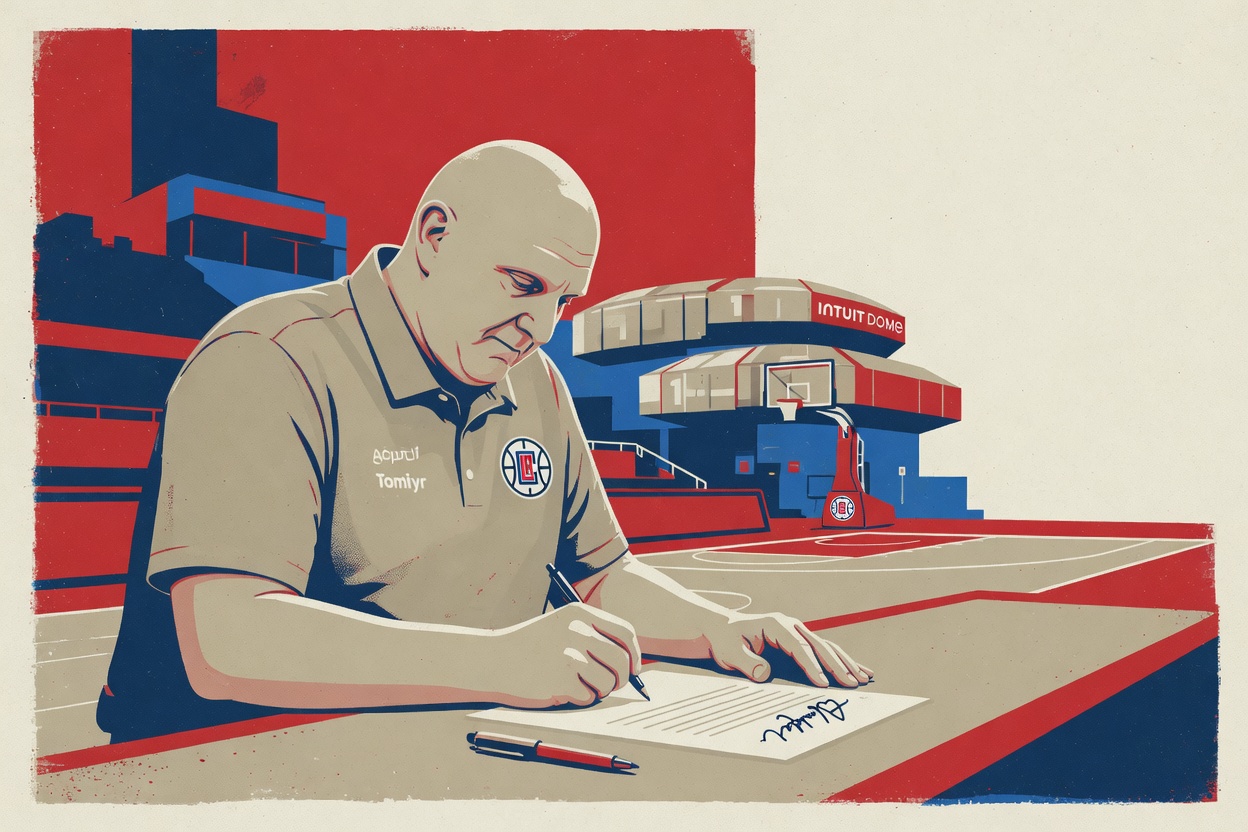
Then, eleven days after the penalties dropped, on a Sunday night, it all went quiet. Ballmer said the team would comply, that it had already paid the fine, and that he was ready "to put this chapter behind us." He apologized to fans, employees and fellow owners "for the distraction and distress this matter has caused." He wrote that "team owners should support, not distract."
So which is it? A witch hunt, or a distraction he's now taking responsibility for? Calling something a gross injustice one week and accepting responsibility for it the next means one of those two positions was theater.
My take: the fight was never real. It was posture, and the retreat afterward wasn't contrition so much as arithmetic.
Look at the exits Ballmer actually had. Arbitration through the union was off the table, because the NBA and the NBPA jointly declared the penalties "final and binding on all parties." Only the player and the union can drag a case like this to a neutral arbitrator, and with Leonard walking away on a comparatively light fine, they had every reason to sign off. That closed the one door that led to an independent referee. His only remaining move was to sue in state or federal court, which sports-law professor Michael McCann publicly framed as a massive uphill climb. As McCann put it on the Zach Lowe Show, when Ballmer bought the Clippers, he was essentially joining a country club, and country-club members surrender broad rights to challenge the commissioner. There was also the threat hanging over him the whole time: if he went to war, the Board of Governors could move to strip him of ownership privileges.
So the picks are gone. The fine is paid. What Ballmer was really protecting by folding was his standing: his seat at the table, his relationships with the same owners he suddenly wanted to stop "distracting." This was a calculated bet that quiet compliance costs him less than a losing lawsuit ever could, the move of an owner who ran the numbers rather than one who believed he'd been wronged.
The apology conveniently skips over one thing: this isn't the franchise's first brush with circumvention. The league's own findings called the Clippers a "prior offender," and the team was fined $250,000 back in 2015 over a Lexus endorsement pitch to DeAndre Jordan, which Ballmer called "inadvertent" at the time.
One more thing the check doesn't buy him. The NBA matter is closed. The federal one isn't. A separate criminal investigation out of the U.S. attorney's office in Brooklyn is still in its early stages, with at least one subpoena reportedly issued, and the SEC has been looking into Daktronics' role. Prosecutors don't join country clubs. They don't take apology letters as settlement. Ballmer could make his peace with Adam Silver in eleven days. Whatever comes out of Brooklyn runs on nobody's timeline but its own.